Demonstration and building of a dry toilet system, the Otji-Toilet (NAM-05-07)


Project Details & Results
The project addressed the situation of limited water resources within Namibia, while also contributing to poverty reduction. The Clay House Project (CHP) developed an odorless and hygienic dry toilet system, called the Otji-Toilet. Namibia is the driest country in sub-Saharan Africa, and even though population density is low compared to other African countries, the rapid population growth, effects of urbanization, economic progress and industrialization are all factors leading to an increasing demand on Namibia’s limited water resources. The Otji-Toilet does not require any water inputs and thus will help to decrease demand on Namibia’s limited water supply.
Objectives:
1. The overall goal was to contribute to sustainable water resources management, taking into consideration the limited water supply of Namibia, and increasing pressure to secure water resources. It was planned to build 30 Otji toilets in the northern regions of Namibia, and 15 toilets in Otjiwarongo/Orwetoveni.
2. The project sought to demonstrate that water can be conserved drastically through the Otji-toilet project.
Notable Community Participation
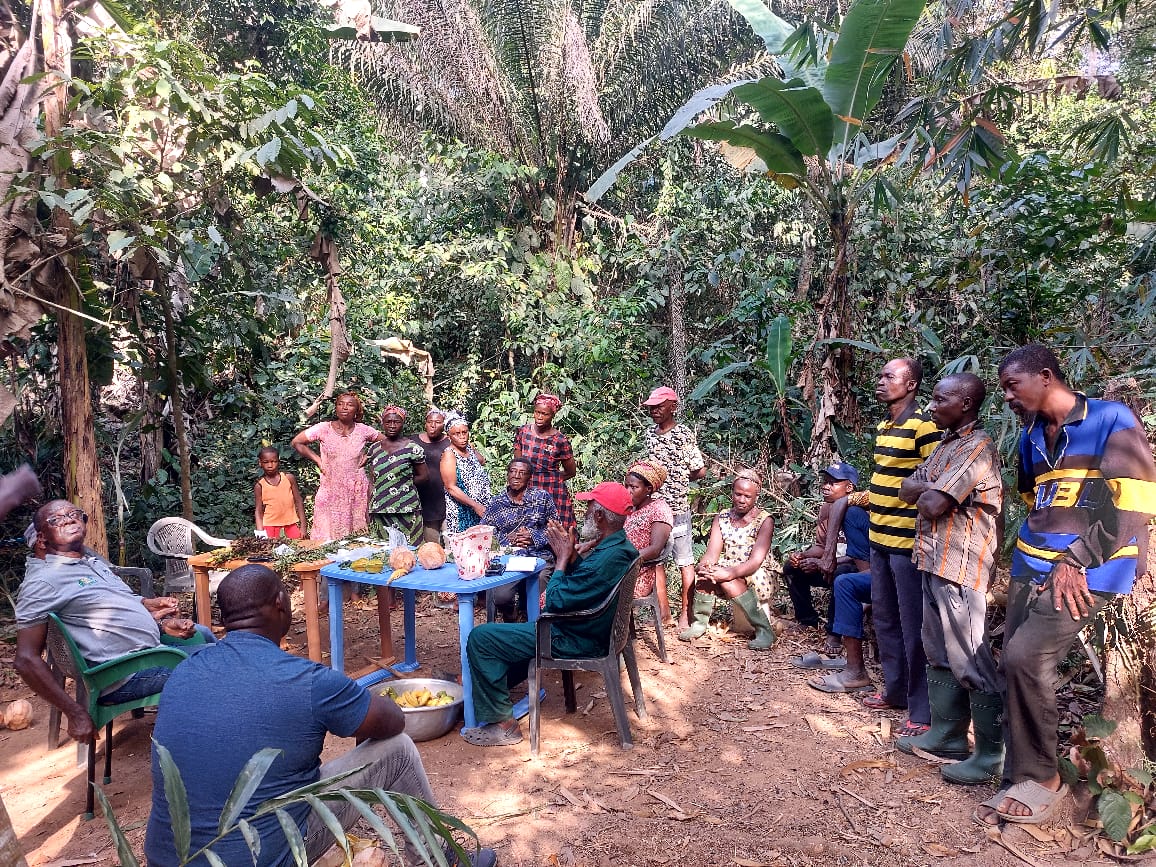
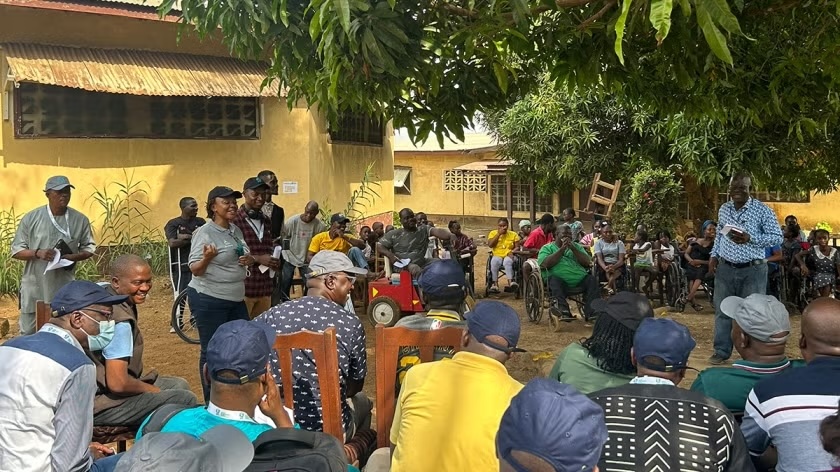
This project was supported by a number of community based organizations, including NHAG, SFDN, Africa 2000 Trust, Lironga Eparu (AIDS Selfhelp group), National Youth Council (NYC), GNEC, DED, Katutura Orphanage Kindergarten, Theresa Orphans Project.
The project has increased education of 14 budding micro entrepreneurs in the field of toilet construction. In addition, two local businessmen in Rundu have initiated a production team. A measurable outcome of the project is the employment of 24 community members, in the field of production and installation of Otji toilets.During the SGP project period, about 100 people from the CHP group (including management, staff, trainers, facilitators, volunteers, trainees, subcontractors, consultants, filmmakers etc.) have participated.
Capacity - Building Component
Firstly, security increased as women and youth, in particular, have an alternative to venturing into the bush. Secondly, the project increased the hygiene level in the area, as there are less disease transferring insects and rats, normally associated with open pit latrines. Thirdly, a toilet is a status symbol for families in the area, and the Otji Toilets are affordable to most families in the area. In addition, construction permits can be issued by to the municipalities to families to upgrade their homes, and aspire toward formal dwellings, even if they reside in an unserviced area.
Gender Focus
The project has an emphasis on gender equity. Out of the total involved through the Clay House Project group, about 50% were women. Out of the 17 private toilets built, 2/3 were built for households in which women were the head of the family.
Promoting Public Awareness of Global Environment
The demonstration portion of the Otji-toilet project prompted measurable changes in both environmental and sanitation policies in Namibia. Recently, MRLGHRD coordinated a workshop and site tour by Brazilian officials for information sharing. Through developing and rolling out the Otji toilet program, public awareness is increasing toward climate change mitigation at a local and international level.
Project Results
Since the end of the SGP project period, 250 toilets have been built as offspring from the pilot project.
Key Outcomes:
Activity: Building of toilets
Targeted Output: 45 toilets
Actual Output: 42 toilets directly, 250 toilets as offspring
Activity: Training
Targeted Output: 10 subcontractors trained
Actual Output: 27 trainers, 14 volunteers (2/3 foreigners)
Activity: Water Conservation
Targeted Output: A public toilet has an average of 25 users daily. A private toilet has an average of 7 users daily. On person uses the toilet approximately 5 x a day.
Actual Output: No water used.
Please see attached Note for 'Lessons Learned' and 'Quotations from Participants'.
|
 |