


1570 Documents found
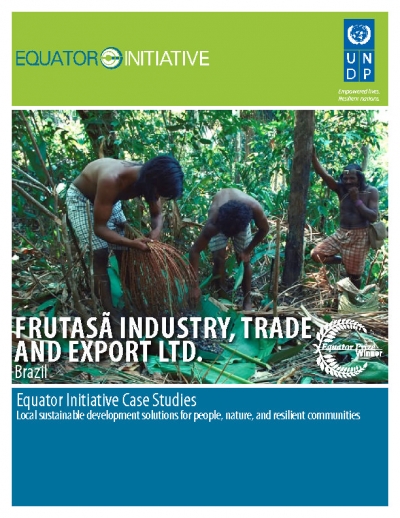
FrutaSã has its roots in a scoping study of the Brazilian Cerrado eco-region conducted in the 1990s to determine socioeconomic challenges facing smallholder farmers and indigenous communities. Alongside mounting environmental threats to the region, exacerbated by the economic marginalization of the rural communities and subsequent over-exploitation of local resources, these findings inspired the 'Fruits of the Cerrado' project, which eventually became FrutaSã Industry, Trade and Export Ltd.This eco-enterprise creates income for small-holder farmers through the sustainable extraction, marketi...
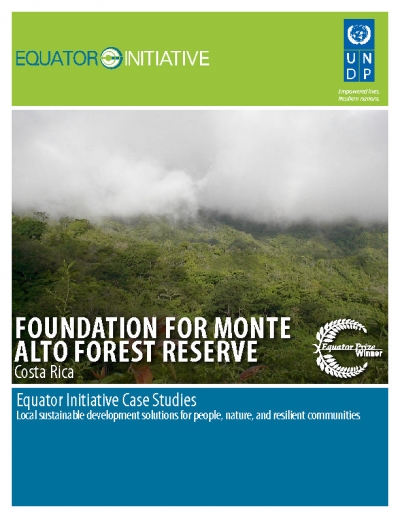
Responding to deforestation around the headwaters of the Nosara River, a source of drinking water and of wellbeing for the inhabitants of the small town of Hojancha in the central highlands of the Nicoya peninsula, local farmers came together in 1994 to enhance local forest conservation and create the co-managed Monte Alto Protected Zone. This 924-hectare area was created by acquiring land for natural regeneration or reforestation. A co-management agreement with the Costa Rican Ministry of Environment ensures local participation in the area’s management decisions.The
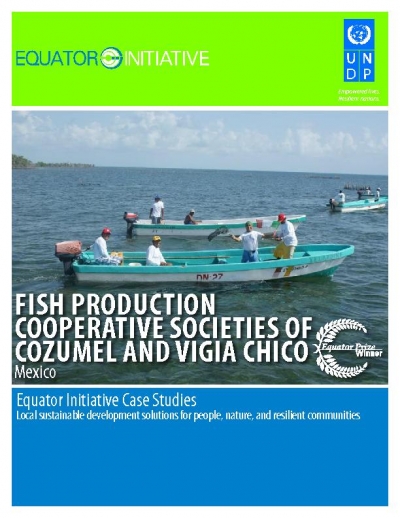
The Fish Production Cooperative Societies of Cozumel and Vigía Chico works to advance a model of sustainable fishing for local communities. Located on the tropical island of Cozumel, an international tourist destination, and in the Sian Ka’an Biosphere Reserve, a national park and UNESCO World Heritage Site, the cooperatives have a long history of collaboration dating to the 1960s.Today, the two cooperative societies coordinate their fishing activities off the coast of the island of Cozumel, with a particular focus on lobster and scaled fish such as grouper, cod, and snapper. Together, the ...
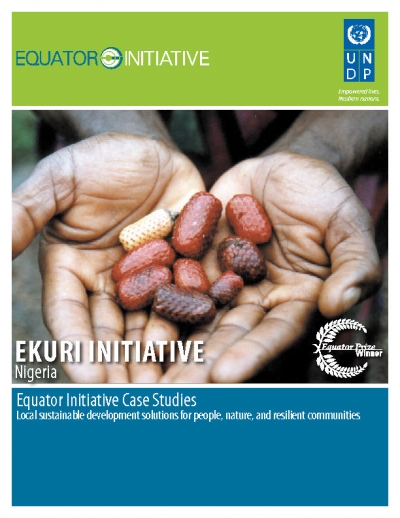
Located in Nigeria's Cross River State, the Ekuri community manages a 33,600-hectare community forest adjacent to the Cross-River National Park. Community forest management began in the 1980s, when the villages of Old Ekuri and New Ekuri united in response to the proposed logging of their forest. The project would have included the construction of a road linking the villages to local market centres; instead, the community decided to sustainably manage the forest as a community asset, generating income, subsistence materials and food.Levies on the sale of non-timber forest products by community...
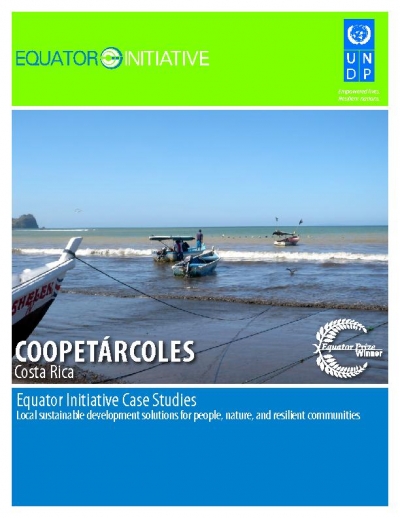
The artisanal fishers of the community of Tárcoles, located in the Gulf of Nicoya on the Pacific coast of Costa Rica, faced declining fish stocks due to a combination of overharvesting by commercial shrimp boats and unsustainable local fishing practices. At the same time, development of the tourism sector along the coast threatened to restrict access to the shore and to marginalize their work. The local fishing cooperative CoopeTárcoles R.L. was founded in 1985 to confront these twin threats.At the forefront of these efforts has been the development of fishing bylaws that stress sustainable ...
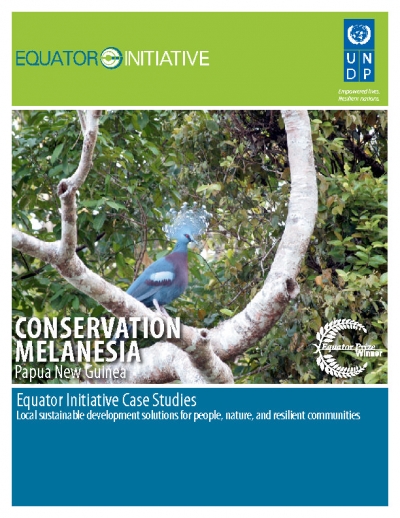
Since 1995, the biologically diverse Collingwood Bay area on the coast of Oro Province, north-eastern Papua New Guinea, has been the setting for a conflict between the province’s 3,000 indigenous Maisin people and proposed commercial logging and palm oil development within the community's 262,000 hectares of ancestral lands. In 1998, 38,000 hectares of tropical forest were fraudulently signed over to a foreign investor; since then, Conservation Melanesia, a local environmental NGO, has been a critical ally in publicizing the community's plight and building capacity to resist the proposed dev...
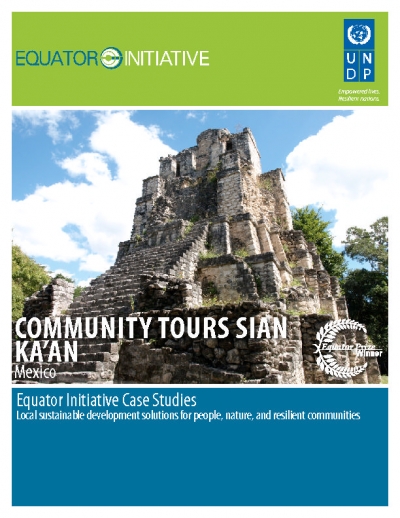
The Sian Ka'an Biosphere Reserve is the largest marine protected area in Mexico, spanning more than 1.3 million acres of land and ocean. It has been designated a UNESCO World Heritage Site in recognition of its rich biodiversity and wealth of Mayan culture; "Sian Ka'an" is Mayan for "where the sky is born".Working within this protected area is Community Tours Sian Ka'an, an alliance of three sustainable ecotourism cooperatives that work directly with the Punta Allen and Muyil indigenous communities. While the Sian Ka'an Biosphere Reserve receives thousands of visitors every year, indigenous co...
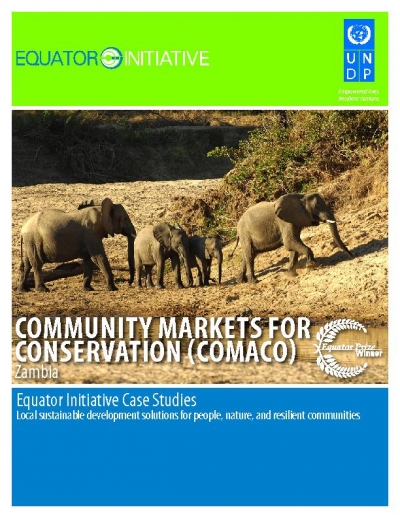
Zambia's Luangwa Valley is the setting for a pioneering initiative that is transforming the local economy and reducing human pressures wildlife. Led by the Wildlife Conservation Society, Community Markets for Conservation (COMACO) has brought about substantial livelihoods and conservation benefits through a producer group model of collective learning, reaching more than 40,000 farming households with training in conservation farming techniques.Farmers are invited to become COMACO members in return for adopting a package of eco-agriculture and organic farming techniques that both reduce the env...
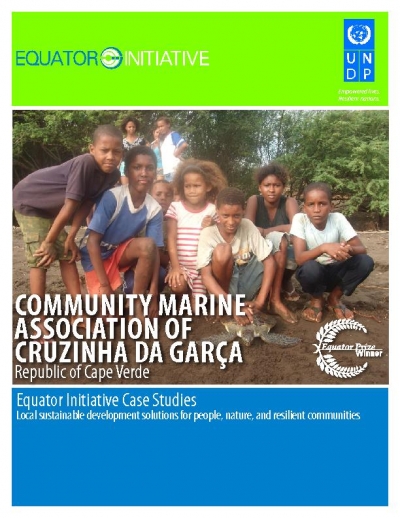
Cruzinha da Garça is one of the most important nesting grounds for sea turtles in Cape Verde. The Community Marine Association of Cruzinha da Garça seeks to develop alternative forms of local marine resource use to conserve this endangered species. The project is part of a regional initiative that involves fishing communities in the conservation of marine turtles and their habitat. Conservation and sustainable livelihoods work extends to the islands of São Nicolau, Santo Antao and Sao Vicente.The association protects spawning loggerhead sea turtles in their natural habitats through beach mo...
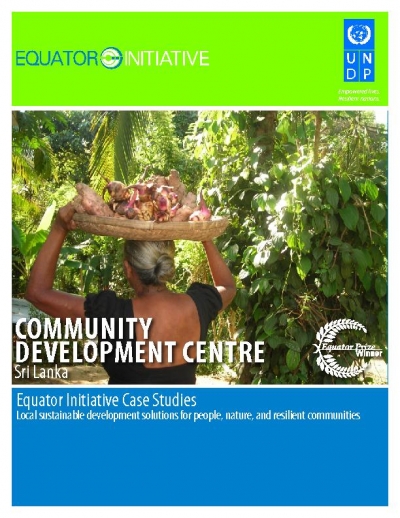
Sri Lanka's Community Development Centre (CDC) has worked to improve rural livelihoods through conservation of indigenous tuber varieties using seed banks managed by women-led self-help groups. Local technologies are used for seed production, with training on in-situ conservation of native varieties on individual land parcels. These self-help cooperatives are organized into federations of around five or six groups, each of which maintains a revolving credit fund to stimulate livelihoods diversification.CDC has provided more than 300 families with an alternative income source and a viable food ...
Page 124 of 157