



Harnessing Digital Innovation for Local Conservation: Insights from the COMDEKS Phase 4 Webinar
On June 25, 2025, the GEF Small Grants Programme at UNDP (SGP), in collaboration with the UNDP Nature Hub Digital Team, hosted a webinar with participants from COMDEKS Phase 4 target countries to explore the transformative potential of digital technologies in advancing community-led conservation.
The webinar underscored the growing role of digital tools in enhancing local conservation efforts. Technologies such as drones, satellite imagery, mobile applications, and Artificial Intelligence (AI) are increasingly being used to monitor ecosystems and biodiversity, facilitate citizen science and public engagement, support smart agriculture and fisheries, and enable robust Measurement, Reporting and Verification (MRV) systems for biodiversity credits and green finance.
These innovations are aligned with the Global Biodiversity Framework’s 30-by-30 targets, and reflect UNDP’s broader commitment to accelerating nature and climate action through inclusive digital transformation.
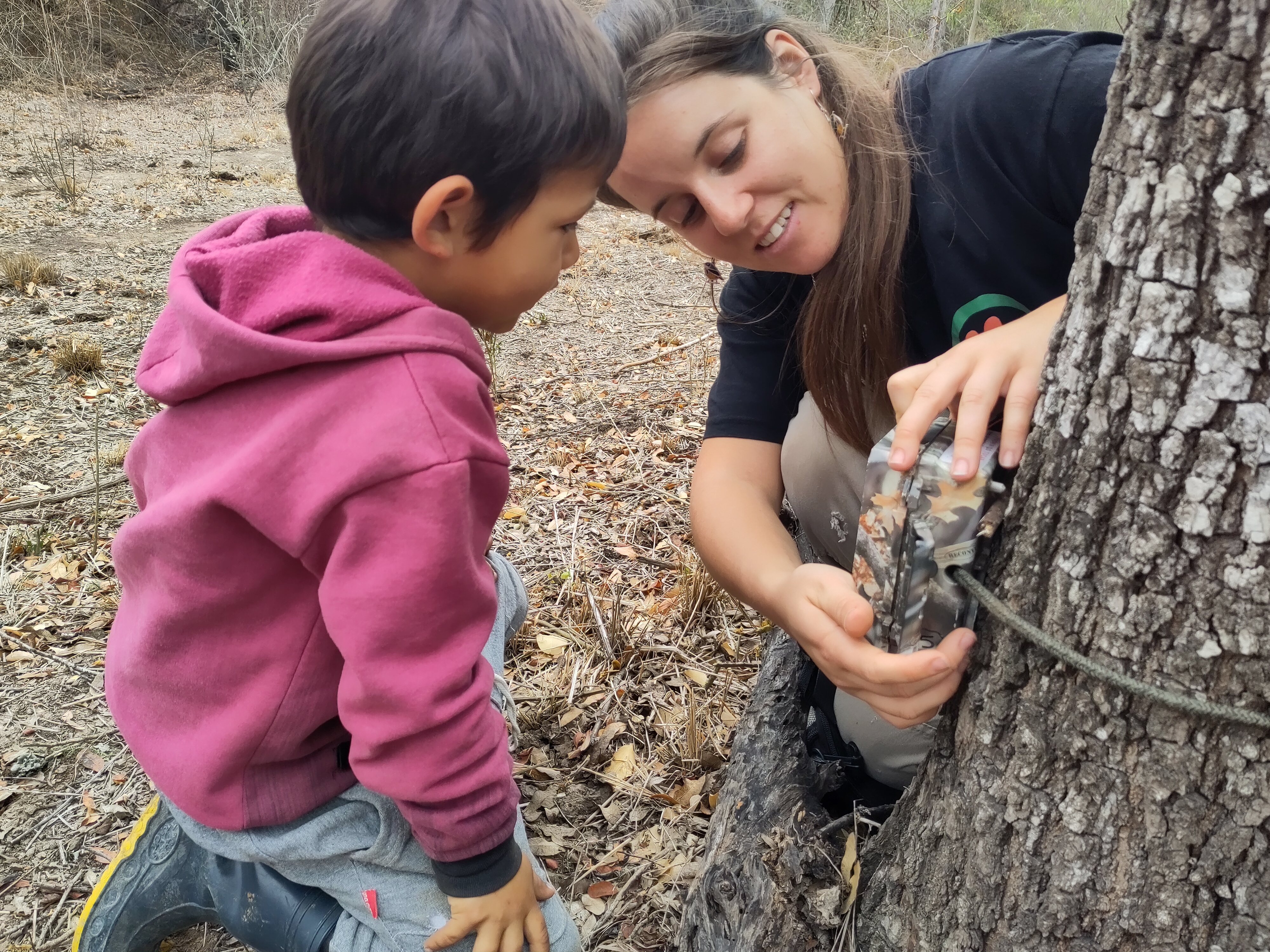 Photo caption: installing camera traps for jaguar and wildlife monitoring and conservation in Argentina. SGP Argentina/Proyecto Yaguerete. Photo by Andrea Egan/UNDP.
Strategic Perspectives and Country Experiences
The session opened with remarks from Rissa Edoo, SGP Partnership Specialist, who introduced the digital initiative within COMDEKS Phase 4. She highlighted the interest of Japanese partners, particularly the Keidanren Nature Conservation Council, in supporting the integration of digital technologies into local biodiversity projects.
Reina Otsuka, UNDP’s Lead for Digital Innovation for Nature, Climate and Energy, presented UNDP’s Digital for Planet strategy. Her presentation emphasized three strategic pillars including strengthening global alignment across nature, climate, and digital policies, building end-to-end digital systems for biodiversity and climate finance, and advancing digital transformation for policymaking and societal action. She also showcased examples of Digital Public Infrastructure (DPI) and Digital Public Goods (DPGs), which offer scalable, open-source solutions that countries can adapt and improve collaboratively to leverage the power of AI.
A country spotlight from UNDP Tanzania, presented by Peter Nyanda, illustrated how digital tools are being used to improve natural resource management and community engagement. Examples included using drone technology for monitoring land use and supporting sustainable cattle ranching, sensors for energy-efficient water management in agricultural settings, mobile platforms for data collection and enhance community participation.
The webinar featured an engaging discussion among SGP National Coordinators, who shared their experiences with digital technologies, identified challenges, and explored opportunities for collaboration with private sector technology providers. The dialogue emphasized the importance of context-specific solutions and the need for capacity building to ensure effective implementation and sustainability.
Kumi Careme, COMDEKS Partnership Coordinator, concluded the session by outlining next steps, including country-specific deep-dive meetings to explore tailored digital applications based on local feasibility and local priorities in a few pilot countries.
The COMDEKS Phase 4 digital initiative represents an important step toward integrating digital innovation into grassroots conservation. By bridging local knowledge with cutting-edge technology, UNDP and its partners aim to empower communities, enhance biodiversity outcomes, and contribute meaningfully to global environmental goals.
Webinar Recording Available: HERE
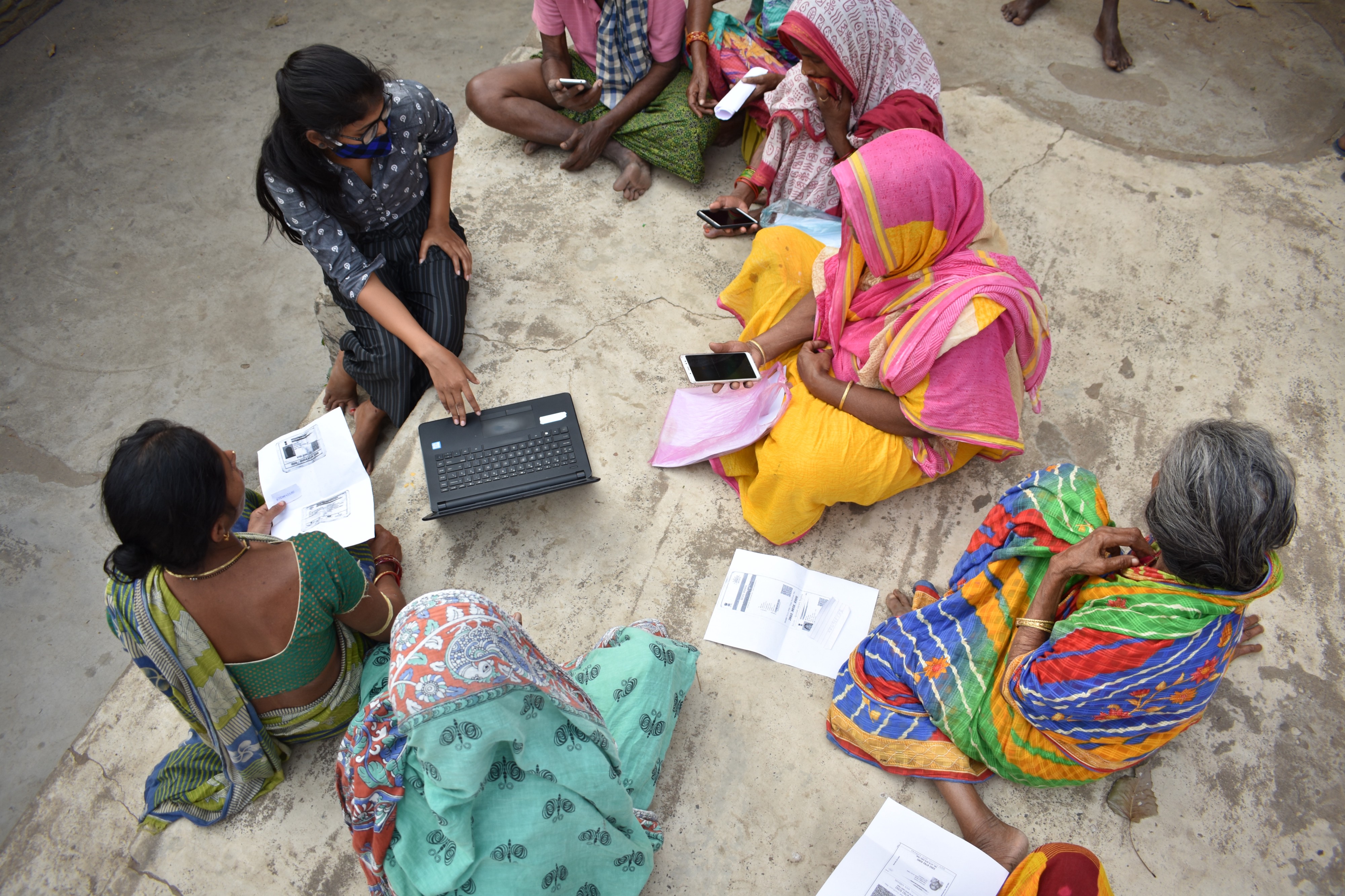 Photo caption: Digital literacy training in India. Photo by UNDP India.