




In the parched communities of the Mixteca region’s desert fringe, along the Western border of Mexico’s Oaxaca state, the wait for the rainy season feels interminable. The realization that rains are becoming scarcer and less reliable is particularly sobering at the end of spring, a critical time in this region: it is not only the hottest, but also the driest time of year, marking the end of the long dry season, as most rains in Oaxaca come during the summer.
In the memory of the people of the Mixteca region, the drought of 2022 was one of the worst ever experienced. Climate models show that the Sierra Madre, the mountainous backbone of the state, is becoming dryer. To adapt to this changing climate and restore this ecosystem, local communities need to innovate.
Droughts are becoming more frequent and intense because of climate change. Their increasing unpredictability makes them a growing threat to sustainable development. Since 2000, droughts have increased by 29% around the world, with over 2.3 billion people already facing water stress. Globally, desertification, land degradation, and drought are among the most pressing environmental challenges of our time. Up to 40% of all land area around the world is already suffering from degradation, with far-reaching impacts.
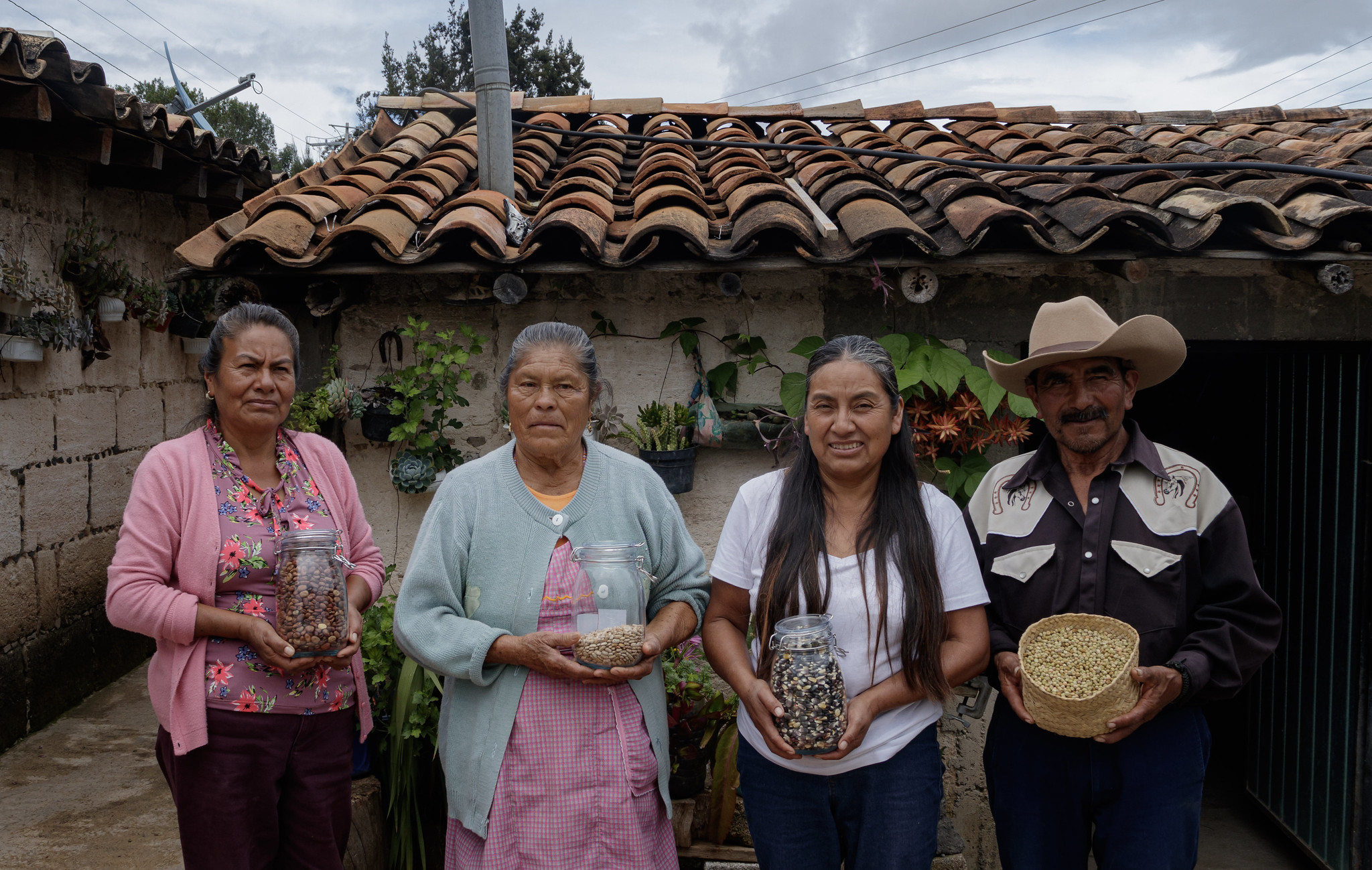 Seeds are life, identity and autonomy. The Semillas de Vida group from Tlacotepec Plumas safeguards their native seeds with SGP support. Photo: UNDP/Grecia Cetina.
For the people of the Mixteca region, the climate crisis is creating new challenges: “Right now, what we urgently need is to retain the water so we can continue planting our seeds. If we stop planting, we’ll lose them” says Petra Hernandez, a local farmer.
To address these issues, the Global Environment Facility (GEF) Small Grants Programme (SGP), implemented by the United Nations Development Programme (UNDP), is supporting three locally-led initiatives that are restoring ecosystems while securing water, boosting food security, strengthening livelihoods and building resilience to climate change.