




In Kazakhstan, becoming a falconer requires significant time, dedication, responsibility, and a deep understanding of the birds of prey. For Tleukabyl Yessembekuly, a farmer from the village of Aksu-Ayuly and founder of the Association of farmers of the Shet district in the Karaganda region, becoming a master falconer taught him the twin virtues of patience and vigilance.
In Kazakh culture, master falconers (or berkutchi) are hunters who train raptors to hunt game. This ancient practice is recognized as part of Kazakhstan’s intangible cultural heritage and requires years of training, discipline and daily care. It is a deeply significant cultural tradition and an art form passed down through generations, primarily among the Kazakh nomads in the Altai Mountains of Western Mongolia, Kazakhstan, and Kyrgyzstan. The pursuit demands exceptional knowledge of the biology of hunting birds, long hours of training, and a profound, lifelong commitment to the animals’ welfare. Falconers must develop a close bond with their birds, treating them with both patience and respect.
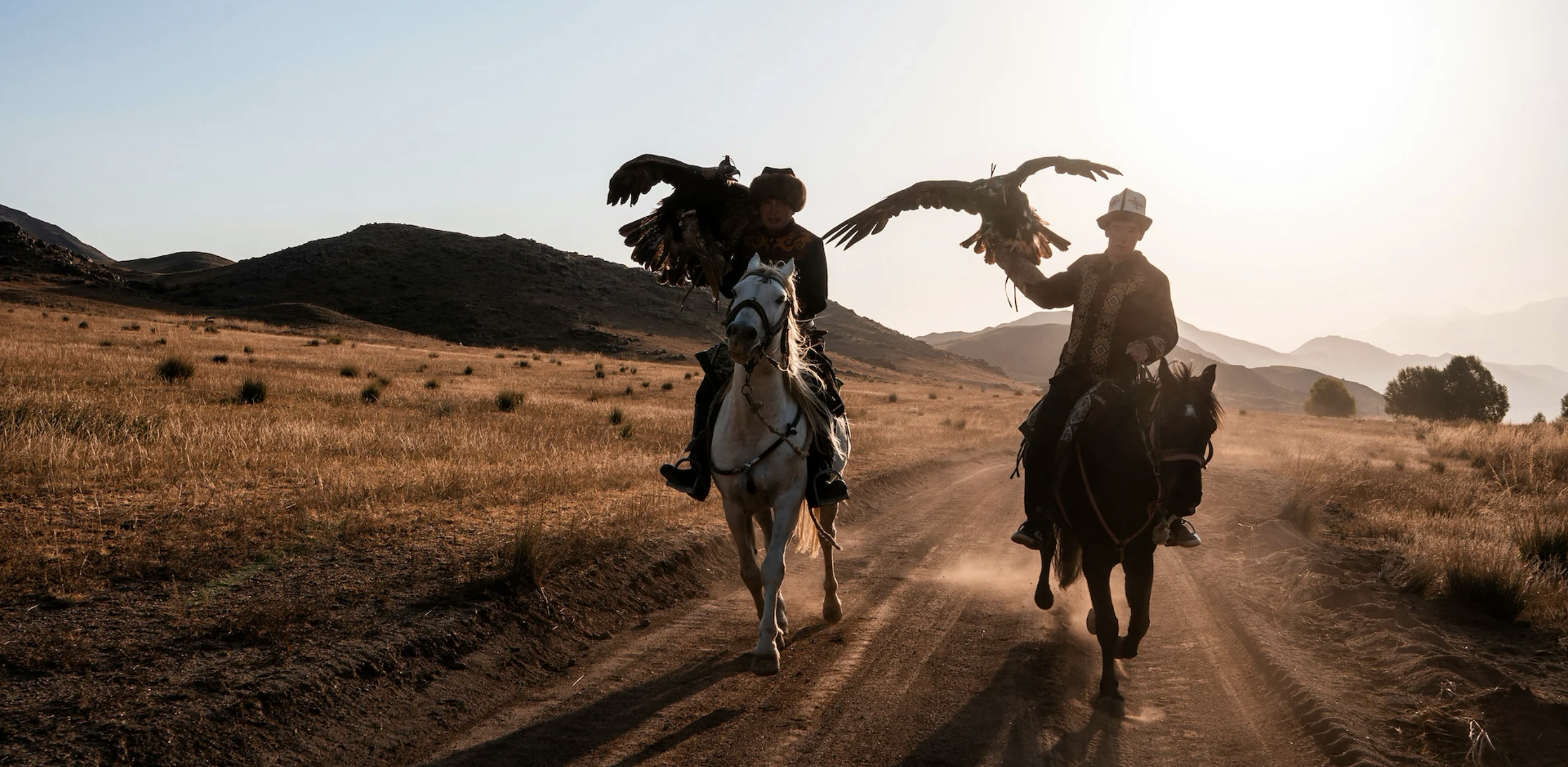
Mr. Yessembekuly is a well-known local figure - a sporting veteran and master falconer who has long championed the preservation of his native land and responsible use of natural resources. Nearly 35 years ago, after retiring, he brought together local farmers with one shared goal: to revive their region and promote environmental initiatives within rural communities.
Turning his watchful eye to the ground, Mr. Yessembekuly could see how cooperation could serve people and planet. For him, the farmers’ Association was where patience and vigilance met action. Over the years, the farmers’ Association that he helped establish has received several grants and loans - including from the Global Environment Facility (GEF) Small Grants Programme (SGP), implemented by the United Nations Development Programme (UNDP) - that helped improve living conditions, increase agricultural productivity, conserve natural resources, and prevent land degradation across the Shet district.