



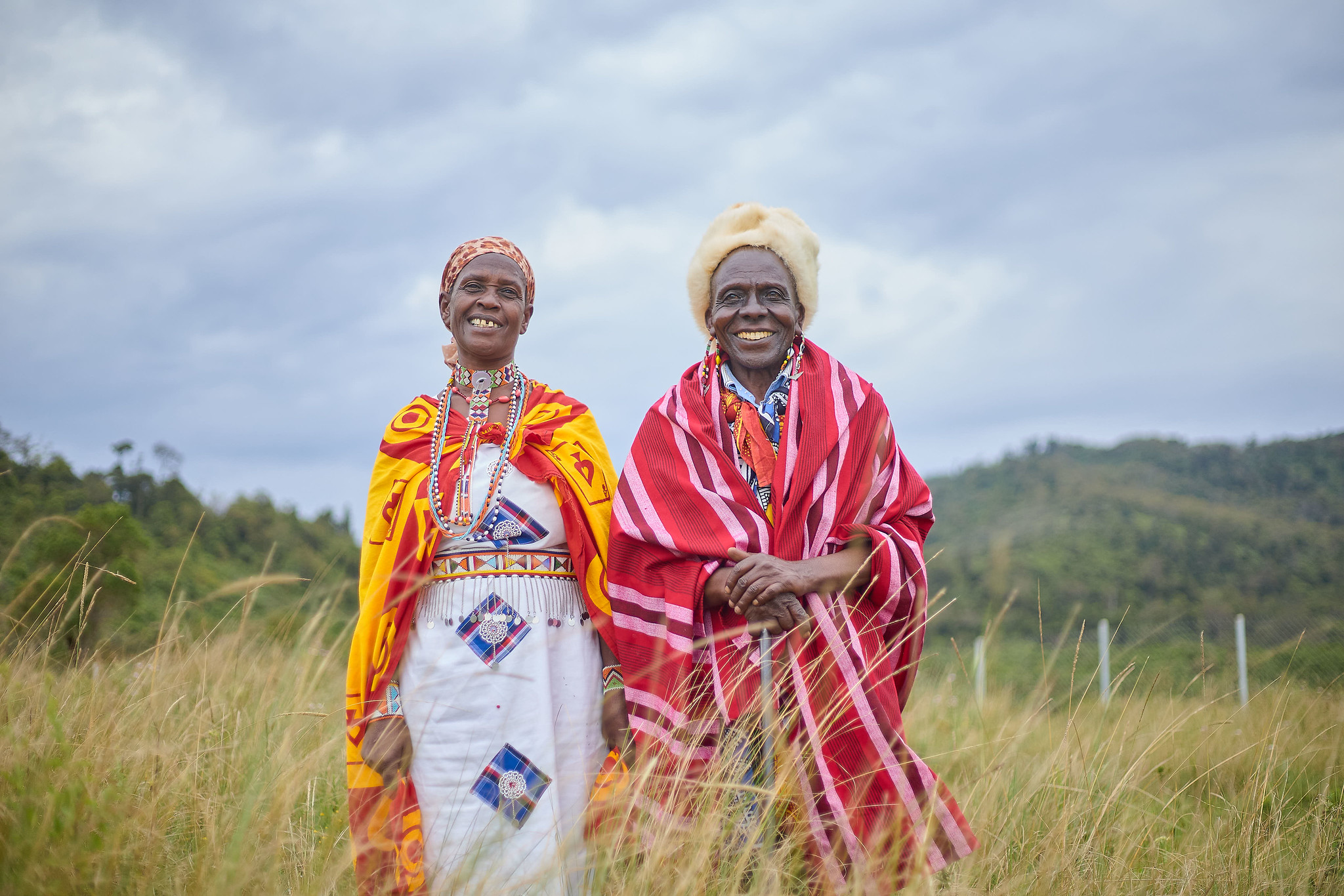
Over centuries, Indigenous Peoples and local communities have benefitted from herbal plants as medicines. Traditional medicine is an integral aspect of the health care system of Indigenous Peoples and local communities in many parts of Kenya, where its use remains more widespread than modern medicine. For centuries, ancestral knowledge and lifeways around traditional medicine has been orally passed down from generation to generation to address health and well-being needs.
Nature Speaks, Knowledge Unheard
The loss of ancestral knowledge on traditional medicine is a continuing threat. Traditional medical knowledge frequently lacks official recognition and is therefore frequently ignored or marginalized. Even when acknowledged, intentions may be closer to bioprospecting and commercialization of endemic medicinal plants, seeds, and genetic resources, rather than preservation of traditional medicine practices.
The lack of formalized recognition and respect for traditional medicine can lead to piracy of resources and concomitant ecological degradation associated with overexploitation.
Where Healing Is Held Together
Throughout Kenya, many territories and areas conserved by Indigenous Peoples and local communities (ICCAs for short) are characterized by sacred rivers, wells, hills, groves, and forests, with significant plants, wildlife, and water resources.
In partnership with local organizations across Kenya, the Global Environment Facility (GEF) Small Grants Programme (SGP), implemented by the United Nations Development Programme (UNDP) with support from the Global Support Initiative to ICCAs (ICCA-GSI), are working to increase the appropriate recognition of traditional medicine in Kenya.
Three ICCA-GSI projects, distributed in 3 counties across Kenya, focused on the protection of traditional medicines through documentation and supporting the appropriate recognition of traditional medical practitioners. Simultaneously, the projects also supported the conservation of medicinal plants by restoring degraded lands, establishing tree nurseries and gardens of herbal medicinal species and promoting inter-generational transfer of traditional knowledge. These ICCAs are key biodiversity areas and home to over 450,000 indigenous peoples.