



* Blog originally published in the UNDP Kenya Medium website.
Nature is a vast and delicate tapestry where every thread matters. When one strand breaks, the strength of the whole is put at risk. On World Wildlife Day, celebrated annually on March 3rd, we honor the local changemakers working tirelessly to mend those vital threads. Across Kenya, community organizations are stepping up as the guardians of the country’s rich natural heritage.
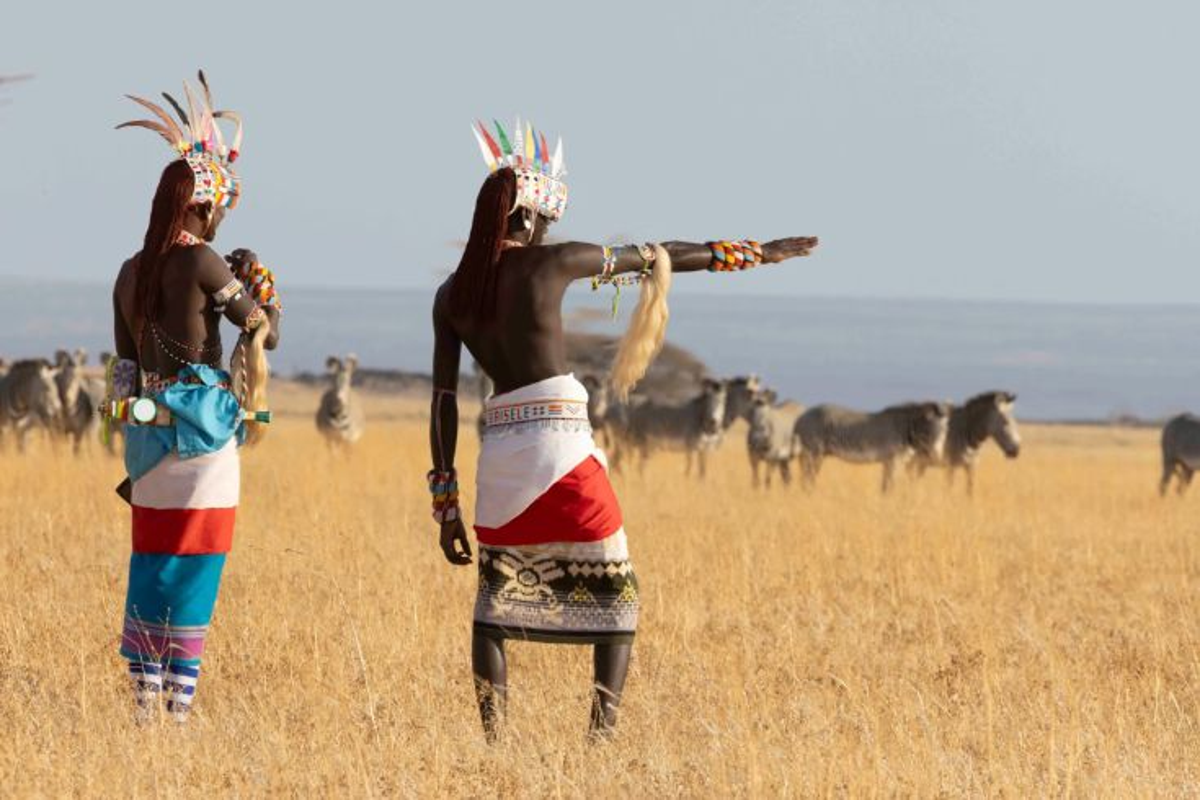
Ancestral lands, endangered icons. Warriors monitoring the Grevy’s zebra || Photo: The Grevy’s Zebra Trust
Grassroots heroes bring deep passion and local knowledge to conservation efforts, but their impact can be stymied by a lack of sustainable support. This is where UNDP Kenya steps in. Through the Global Environment Facility (GEF) Small Grants Programme (SGP), implemented by UNDP, community-led initiatives receive the resources they need to grow and succeed. By providing direct financial grants to remarkable community groups, the programme has empowered them to enhance and strengthen their conservation efforts. Through this vital partnership, local capacity is being built to ensure that wildlife, livestock, and human communities can truly thrive together.
Today we spotlight four grassroots groups that are leading this change through conservation of four species listed on the IUCN Red List of threatened species, the world’s most comprehensive source on plant and animal global extinction risks.
Restoring the Coastal Canopy
In the coastal forests of Diani in southern Kwale, the vulnerable Angolan black and white colobus monkey clings to the remnants of a fragmented habitat. This unique primate faces massive habitat loss from deforestation and urban settlements. Colobus Conservation stands as a firm shield for these animals and, by teaming up with partners like SGP, they are rewriting this story.
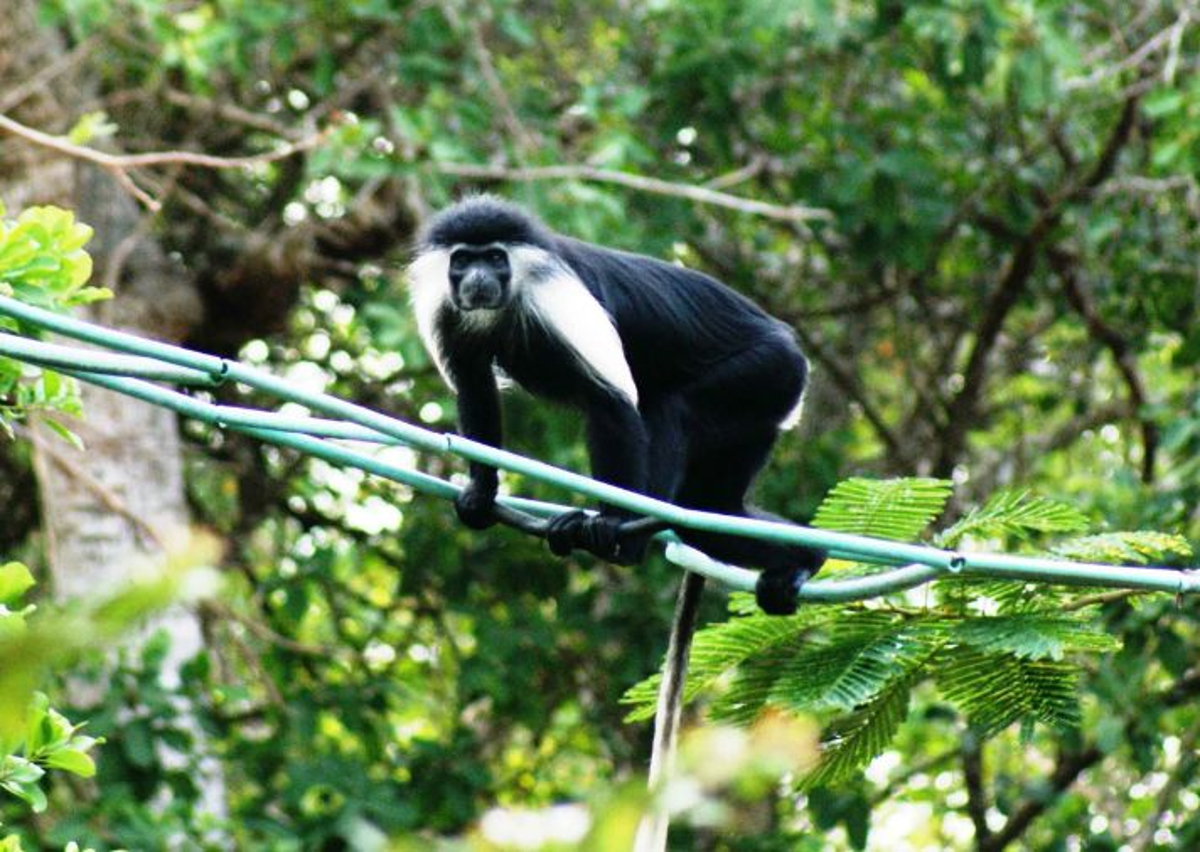
Safety in the canopy: A Colobus monkey utilizes a custom-built aerial bridge to navigate the roads of Diani safely.|| Photo: Colobus Monkey Conservation
The organization builds conservation awareness through school education workshops that reach over 1000 students every year. They also plant over 5000 indigenous trees annually to restore broken forest connections. Additionally, they have built over 40 aerial bridges to give the colobus monkey safe passage across a 9 km section of the busy Diani Beach Road.
According to colobus bridge usage data from surveys conducted in 2004, 2011, and 2020, these bridges have successfully boosted safe crossings by 70 percent, greatly reducing traffic accidents. Youth actively build these structures, raise awareness, and volunteer in orphan primate care and animal welfare. Meanwhile, women lead livelihood projects like beekeeping and basketry to reduce forest dependence. The organization also treats injured primates and conducts major releases back into the wild to stabilize local populations.
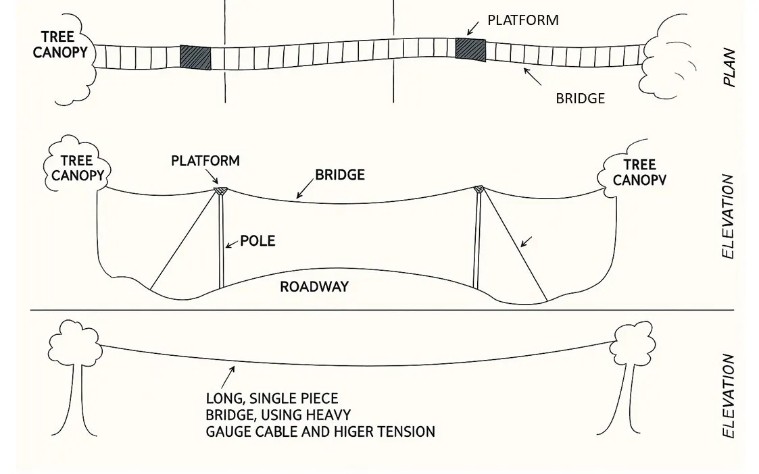
The anatomy of a Colobridge: Constructing safe ‘highways’ for the endangered Angolan colobus. || Photo: Colobus Monkey Conservation
Protecting the Open Plains
Farther north, the sweeping landscapes of northern Kenya are home to the Grevy’s zebra, the largest and most endangered of all zebra species. As the climate changes, these grazers face severe threats from degraded grasslands and extreme weather. This was tragically evident during the devastating drought from 2021 to 2023, which decimated large numbers of the herds, proving exactly why more conservation is urgently needed.
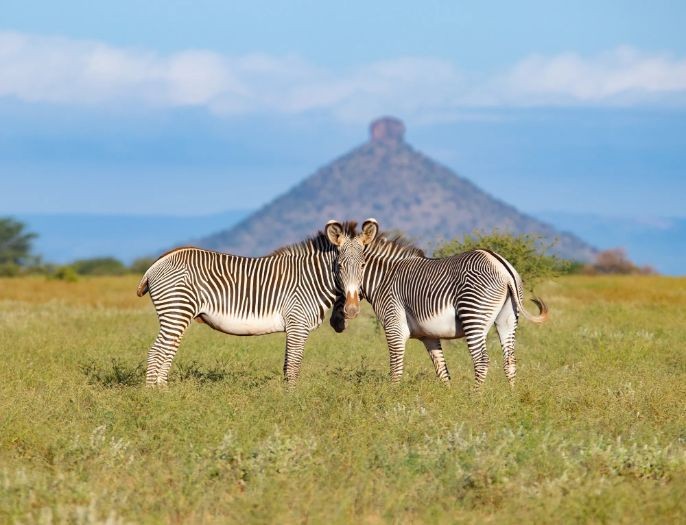
Grevy’s Zebra in the grasslands are of Northern Kenya || Photo: The Grevy’s Zebra Trust
The Grevy’s Zebra Trust believes that the best solution to these challenges lies in the hands of the people who share the land. Women and youth are the heartbeat of this vital mission. Young people serve as wildlife scouts to collect essential population data and share it with the Kenya Wildlife Service (KWS) for national conservation planning. At the same time, women lead rangeland restoration and grass reseeding projects to strengthen household resilience and ecological health. Most importantly, thanks to these combined efforts, the populations have stabilized and the Grevy’s zebra numbers are finally bouncing back in key landscapes.
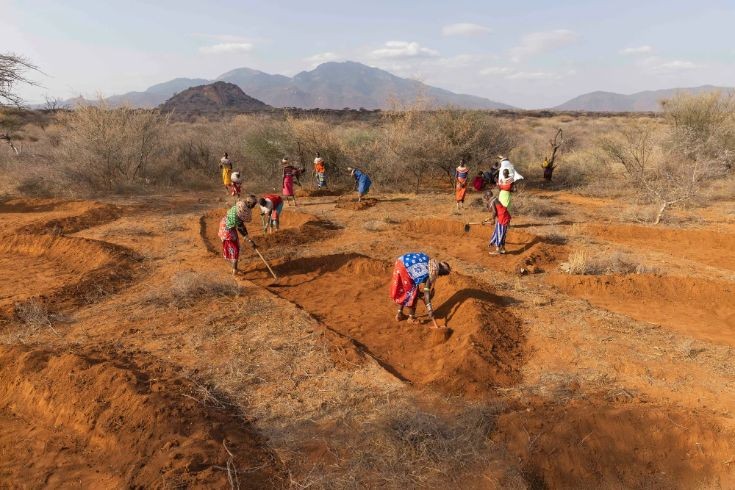
Leading the restoration: Women restoring rangeland health through indigenous reseeding. || Photo: The Grevy’s Zebra Trust
Safeguarding the Ocean Depths
Below the waves of Kwale County in Shimoni, ocean species face their own silent struggles. Several threatened sea turtles including the Green, Hawksbill, and Olive Ridley turtles use the Kenyan coast for feeding and nesting. They face significant threats including plastic pollution and accidental entanglement in fishing gear.
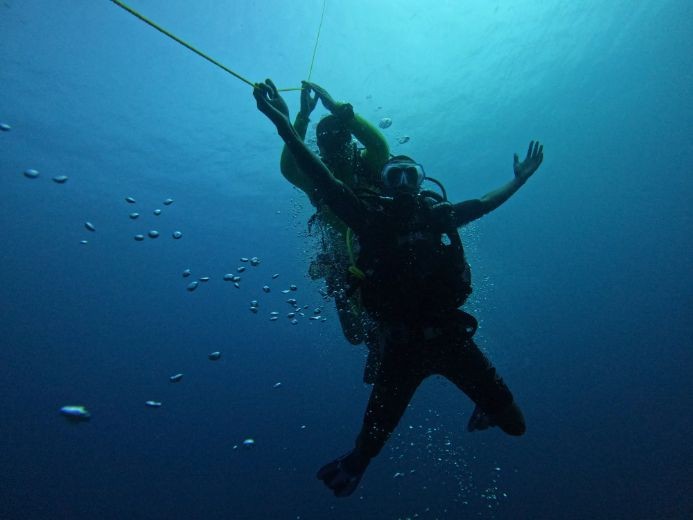
Guardians of the blue: Shimoni Turtle Watch divers conducting critical underwater surveys to protect endangered sea turtles. || Photo: Shimoni Turtle Watch
Shimoni Turtle Watch demonstrates the critical role young people play in advancing marine conservation. Supported by SGP, they are empowering locals to become custodians of marine biodiversity. Their incredible work includes providing youth members with scuba diving training and equipping them with underwater research skills. They have also established a marine conservation resource centre that serves as a research hub and an environmental education space for schools. Youth lead these research dives while women actively participate in community mobilization.
These actions have generated far reaching and measurable positive impacts. Thanks to sustained awareness campaigns and school outreach programs, turtle harvesting in the area has remarkably declined by approximately 80 percent. The community has shifted away from harmful practices and now takes immense pride in marine conservation. Instead of viewing turtles as a source of food, locals now see them as valuable species that boost biodiversity and eco tourism opportunities.
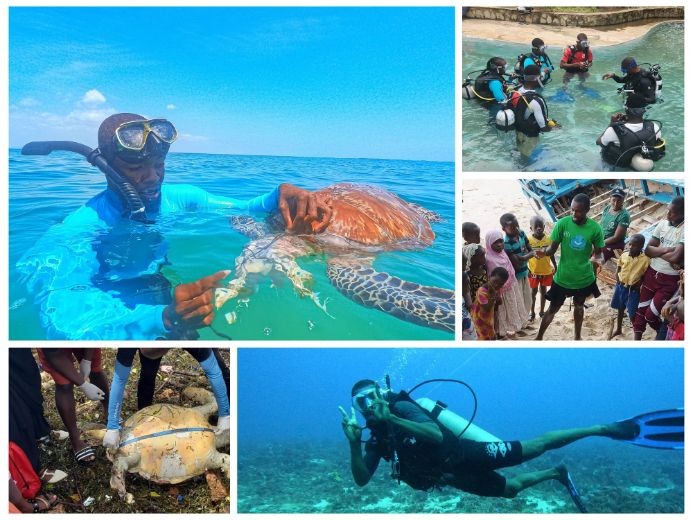
Holistic conservation in action: Empowering the Shimoni community through marine education and professional dive certification to protect Kenya’s coastal ecosystems. || Photo: Shimoni Turtle Watch
Following extensive training, the community has completely moved away from destructive habits.
- Fishermen now actively release turtles caught accidentally in their nets, rather than keeping them.
- There is a sharp decline in the poaching of turtle eggs and meat.
- The use of harmful traditional fishing methods, such as pouring a suffocating chemical called “urupha” into the water, has significantly reduced.
- Community members are now highly vigilant about protecting nesting beaches from destruction.
- Fishermen are adopting more responsible and sustainable fishing techniques to protect all marine life.
Because of this growing awareness, the community no longer tolerates turtle harvesting, and the team has been able to successfully document a growing number of turtle sightings.
Celebrating Cultural Heritage
In Baringo County, the Mangar Community Conservancy is fighting to save the near threatened Patas monkey whose habitat stretches across West, Central and East Africa. Habitat degradation and hunting had caused the local Baringo County population of these monkeys to drop to just seven individuals.
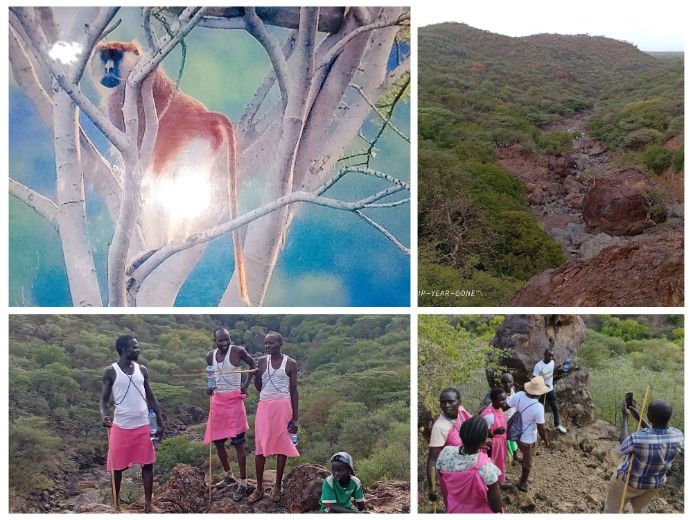
Walking for wildlife: Rangers and guests trekking through the heart of Baringo County to support the survival of Kenya’s most terrestrial (ground dwelling) primate. || Photos: Mangar Community Conservancy
Rather than just building physical fences, the conservancy tapped into the transformative power of culture. Local cultural troupes, composed of men and women, use songs, poems, and skits to deliver environmental education across the surrounding communities. The organization established protected areas by using volunteer rangers to secure the monkey habitats and actively planting over 1000 indigenous trees by late 2025. To ensure these conservation interventions continue to grow, the community is planting even more trees today with the vital support of UNDP and SGP. Youth amplify these efforts through digital platforms, raising awareness and mobilizing participation, while women strengthen conservation linked livelihoods by producing traditional artifacts that celebrate and preserve their cultural heritage. Conservancy rangers have already reported the birth of a new baby monkey, a hopeful sign of recovery and an encouraging shift in the population trajectory.
A Shared Mission
Community led conservation is not a supporting effort, it is the foundation of lasting environmental resilience. The achievements of these four organizations demonstrate what is possible when local leadership is matched with strategic global support. Through targeted grants, UNDP and the GEF Small Grants Programme are not simply funding projects; they are strengthening ecosystems, empowering communities, and building a more sustainable future. Together, these partnerships ensure that Kenya’s wildlife, oceans, and forests continue to thrive for generations to come.
Author: By Michael Kibuku, Digital Communication Consultant, UNDP Kenya, in collaboration with SGP Kenya.