




A student sits comfortably in a classroom, no longer needing a heavy coat to stay warm as she watches the snow falling on the frozen steppe outside the window. A man in a parched field carefully checks a small, young tree shielded from the elements by a simple plastic box. A farmer’s eyes gleam with hope as he learns of a seed that can survive drought and bring about a harvest to support his family in just a few seasons.
These are not isolated stories; they are snapshots of a broader movement of resilience happening across Uzbekistan.
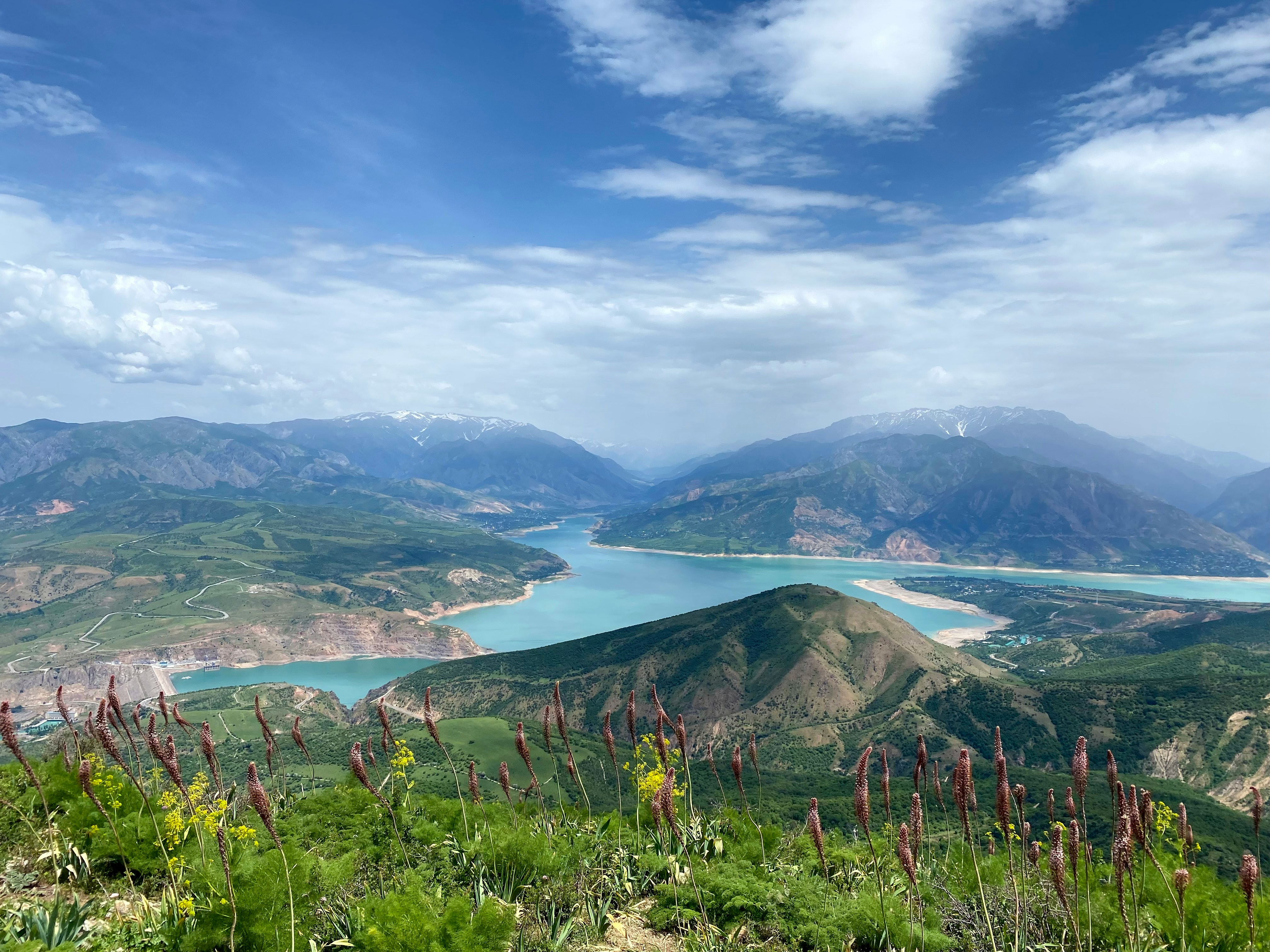
Double-landlocked in the heart of Central Asia, Uzbekistan is dominated by an arid climate. Almost half of the country is covered by rangelands—vast expanses of drylands, grasslands, shrublands, savannahs, deserts, steppes, mountain areas and wetlands, among other ecosystems—that sustain the livelihoods of pastoralists, small-scale herders, ranchers and farmers.
But with the escalating impacts of climate change and land degradation—driven by unsustainable agricultural practices and made worse by overgrazing and drought—this territory and the local communities who depend on it are under unprecedented pressure.
Over 25% of Uzbekistan’s land is degraded and nearly 45% is at risk of desertification.
Yet, it is within these local communities that the most powerful solutions are being forged, with support from the Global Environment Facility Small Grants Programme (GEF SGP), implemented by the United Nations Development Programme (UNDP).
From rural schools to remote farms, check out our full story to see three examples of how SGP is supporting a more sustainable and resilient future for Uzbekistan.