




The COMDEKS Phase 4 Global Workshop in Marrakech, May 11–15, 2026, brought together SGP National Coordinators, practitioners, community leaders, and partners from over 15 countries to exchange experiences and strengthen collaboration on community-led approaches to biodiversity conservation and sustainable development. Over the course of five days, the workshop provided a platform to reflect on COMDEKS Phase 4 progress, share practical solutions, and explore ways to scale impact in response to growing environmental challenges. At its heart was a shared understanding: lasting change for nature begins with empowered communities on the ground.
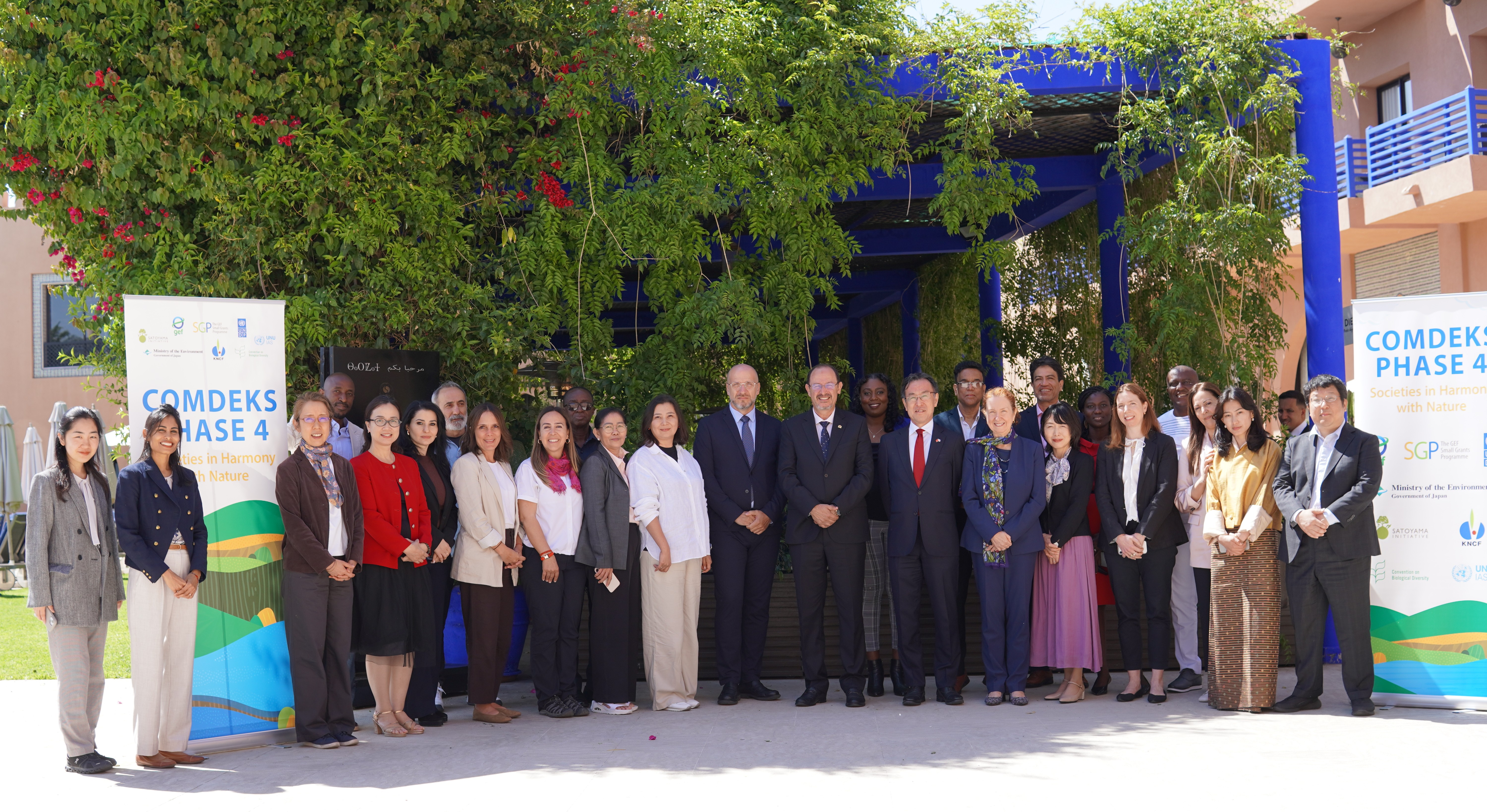
Caption: Workshop participants including colleagues from the IPSI and CBD Secretariat, and SGP National Coordinators from the COMDEKS Phase 4 participating countries.
High-level remarks were delivered at the workshop opening ceremony by: Bouzekri Razi, Secretary General of the Department of Sustainable Development, Ministry of Energy Transition and Sustainable Development, Masahiro Nakata, Ambassador of Japan to the Kingdom of Morocco, Ilaria Carnevali, UNDP Morocco Resident Representative and Slobodan Tadic, GEF SGP Global Manager. Their remarks highlighted the importance of COMDEKS as a global platform for building local resilience and promoting the concept of the Satoyama Initiative- Societies Living in Harmony with Nature.
Local Action, Global Impact
Today’s environmental challenges are deeply interconnected. Yet across the COMDEKS network, communities are demonstrating that it is possible to restore ecosystems, strengthen livelihoods, and protect biodiversity all at once. Participants shared examples from their countries of how local initiatives are making a difference. These included sustainable agriculture initiatives in mountain regions like Peru, Bhutan and Kyrgyzstan, marine conservation efforts in Jamaica, Samoa and Costa Rica, and nature-based income generation such as beekeeping and ecotourism in Tanzania and Vietnam.
Learning Across Borders
A key feature of the workshop was peer learning. National Coordinators openly shared lessons from their work, including what has succeeded and what has been challenging — including addressing capacity gaps, navigating political challenges and climate change impacts.
One of the tools highlighted was the Resilience Indicator Toolkit, which enables communities to assess their social, ecological, and economic resilience. Countries shared how they adapted the tool to suit their local contexts, including translating it to local languages and using trusted community facilitators, ensuring that it remained inclusive and practical.
Participants also explored the role of digital technology to support biodiversity conservation. From mobile data collection and mapping tools to sensors and drone technology, digital solutions are helping communities monitor ecosystems, improve productivity, and connect to markets. National Coordinators from Nepal, Costa Rica, Turkey and Tanzania shared how innovative tools like KoboToolbox and digital pest traps are helping to improve biodiversity monitoring and conservation. Participants emphasized that digital solutions should remain accessible, sustainable, and responsive to the needs and capacities of local communities.
“This workshop has been an important opportunity to learn from other countries and reflect on our own experiences. What stands out is that while our contexts differ, many of our challenges are shared — and so are the solutions. The exchange of practical ideas and approaches will help us strengthen our work with communities and scale up our impact at the landscape level.” Faradaine Forbes-Edwards, SGP Jamaica.
Connecting Local Action to Global Goals
The workshop also looked at how local efforts contribute to global environmental commitments, particularly the Kunming–Montreal Global Biodiversity Framework. Participants discussed how COMDEKS projects are supporting key global targets such as ecosystem restoration, conservation, and sustainable land use. A strong emphasis was placed on ensuring that these local achievements are reflected in national planning and reporting processes, including National Biodiversity Strategies and Action Plans.
In this way, COMDEKS acts as a bridge between global ambition and local implementation, ensuring that communities play a central role in shaping the future of biodiversity conservation. Fumiko Nakao from the CBD Secretariat reflected that “global biodiversity goals can only succeed if they take root in local realities — and it’s inspiring to see how programmes like COMDEKS are supporting communities to turn these commitments into meaningful action on the ground.”
Experiencing Impact on the Ground
One of the most memorable parts of the workshop was the field visit to the Central High Atlas Mountains, where participants saw COMDEKS in action. In the community of Aït M’hammed, participants met local farmers, women’s cooperatives, and community leaders who are restoring degraded land and revitalizing traditional practices. They witnessed initiatives such as community seed banks preserving climate-resilient crops, agroecological farming adapted to local conditions, women-led cooperatives creating sustainable livelihoods, and community nurseries supporting ecosystem restoration. The visit brought to life the concept of living in harmony with nature, showing how traditional knowledge and modern approaches can work together to build resilience at the local level.
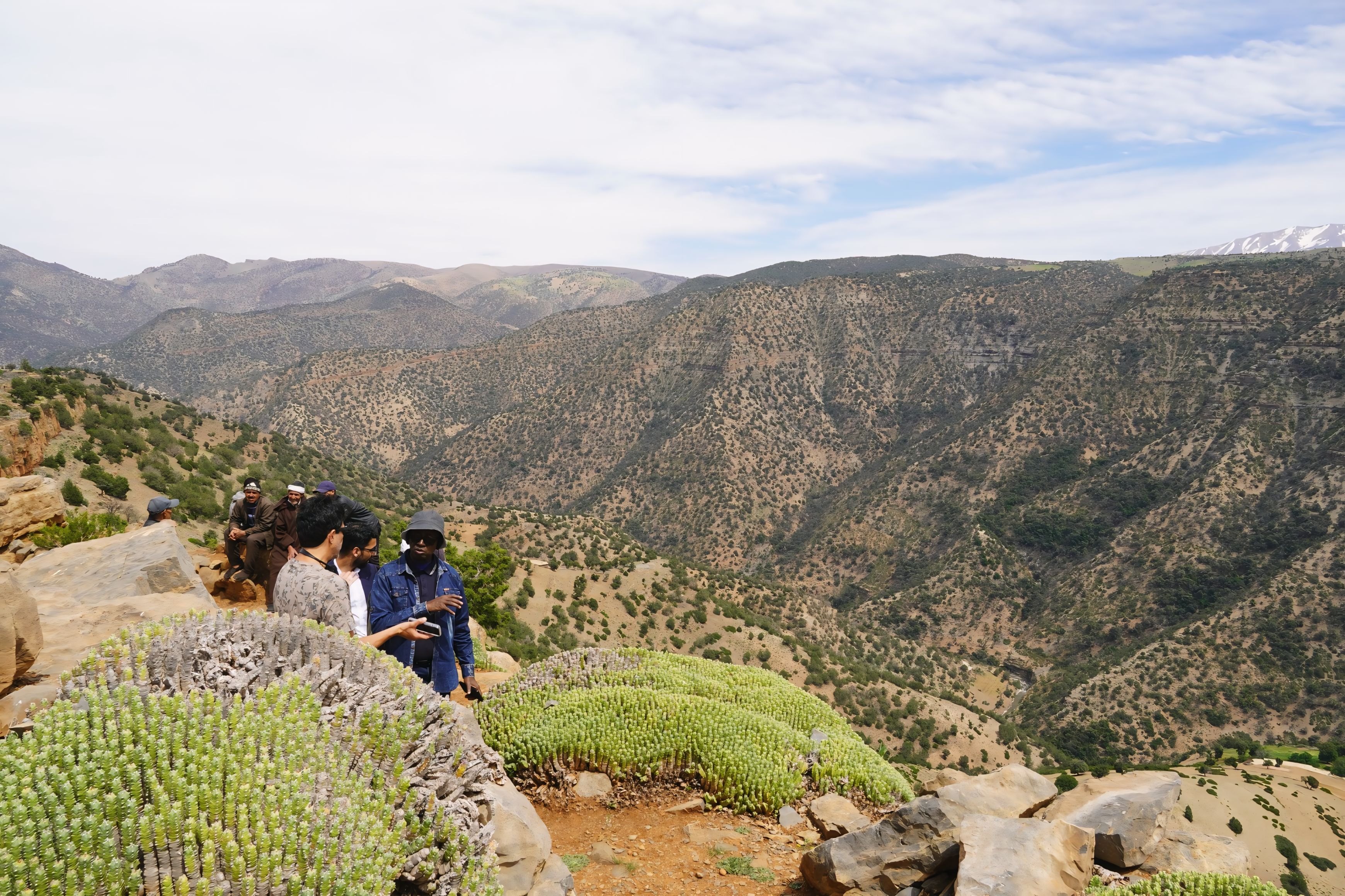
Caption: Beautiful Atlas Mountain Landscape.
Partnerships that Make It Possible
The workshop reaffirmed that the success of COMDEKS is built on strong partnerships across governments, donors, the private sector, UN agencies, and local organizations. Participants engaged with key partners, including the Ministry of Environment of Japan (MOEJ), the Keidanren Nature Conservation Fund (KNCF), the Convention on Biological Diversity Secretariat, and the International Partnership for the Satoyama Initiative (IPSI), highlighting the importance of collaboration, knowledge sharing, and coordinated action in advancing community-led solutions globally.
A dedicated session with the MOEJ and KNCF further emphasized the value of their strategic support, while providing an important opportunity for National Coordinators to engage directly with donors on programme impact, visibility, and future collaboration.
A Shared Path Forward
As the workshop concluded, participants identified priorities to strengthen future impact. These include accelerating project delivery, improving monitoring and reporting, enhancing communication of results, and mobilizing resources for the next phase of COMDEKS. There was also strong interest in expanding the programme further, reflecting its continued relevance to global biodiversity and climate goals. The COMDEKS Phase 4 Global Workshop was more than a meeting; it was a reminder that meaningful change starts from the ground up.
Across discussions and field visits, one message stood out: when communities are empowered, they become the strongest stewards of nature. As participants returned home, they carried forward new ideas, strengthened partnerships, and renewed motivation. Together, they continue to demonstrate that building a sustainable future is not only possible — it is already happening, one landscape at a time.
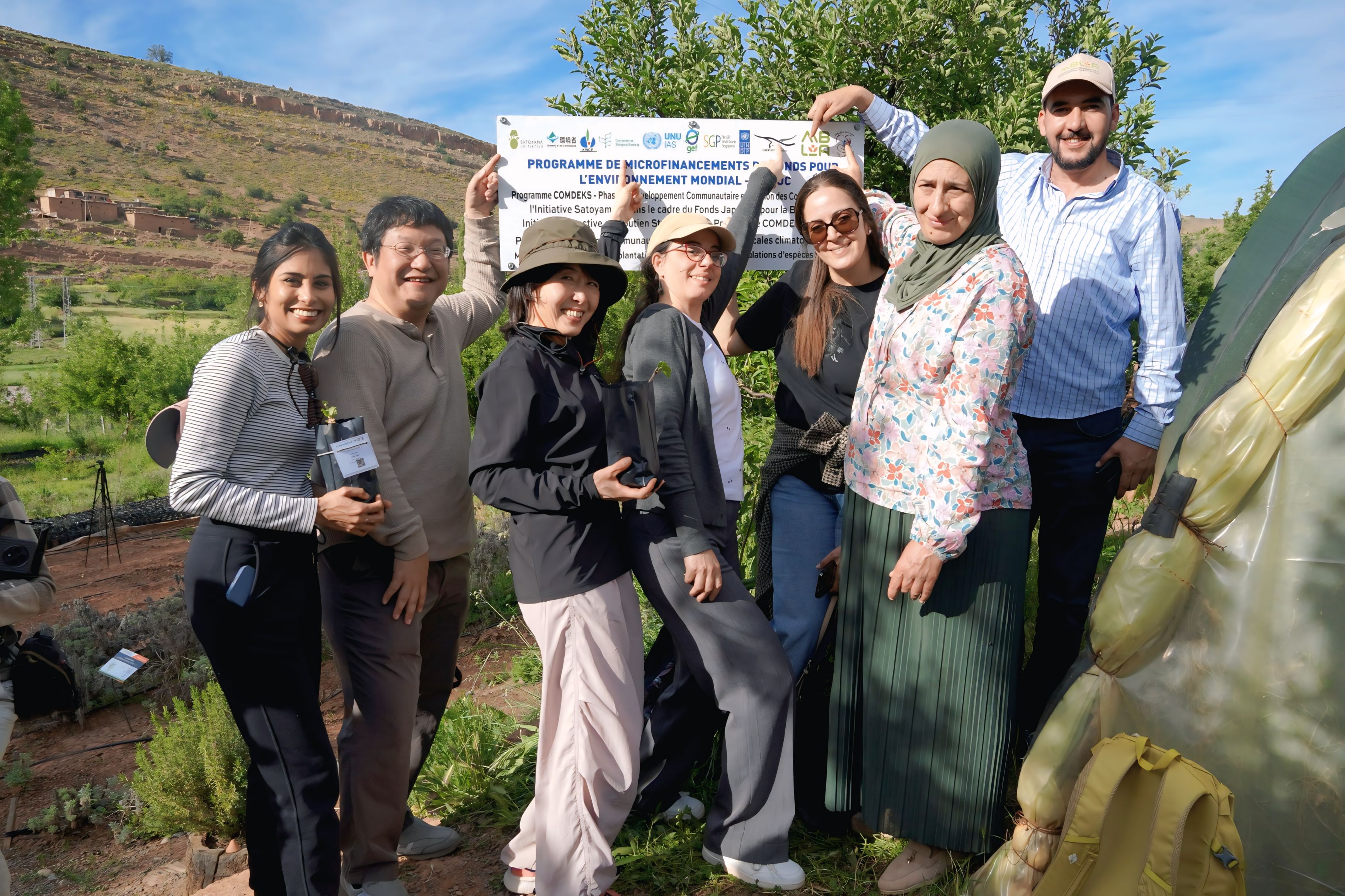
Caption: Visit to the community nursery with SGP grantee partners from the Moroccan Biodiversity and Livelihoods Association, the ASKA Association and GREPOM.
About COMDEKS: Launched in 2011 as a flagship programme of the Satoyama Initiative, COMDEKS is a global effort to promote the sustainable use of natural resources in landscapes and seascapes with local communities whose livelihoods and cultural heritage depend on them. It provides small-scale finance through SGP directly to local communities, Indigenous Peoples and civil society to implement locally-led projects that improve livelihoods and well-being, conserve biodiversity, address climate change, build resilience and support local cultures and traditional practices. Launched in 2022, COMDEKS Phase 4 is funded by the Ministry of the Environment Japan and the Keidanren Nature Conservation Fund, and is implemented by the SGP.
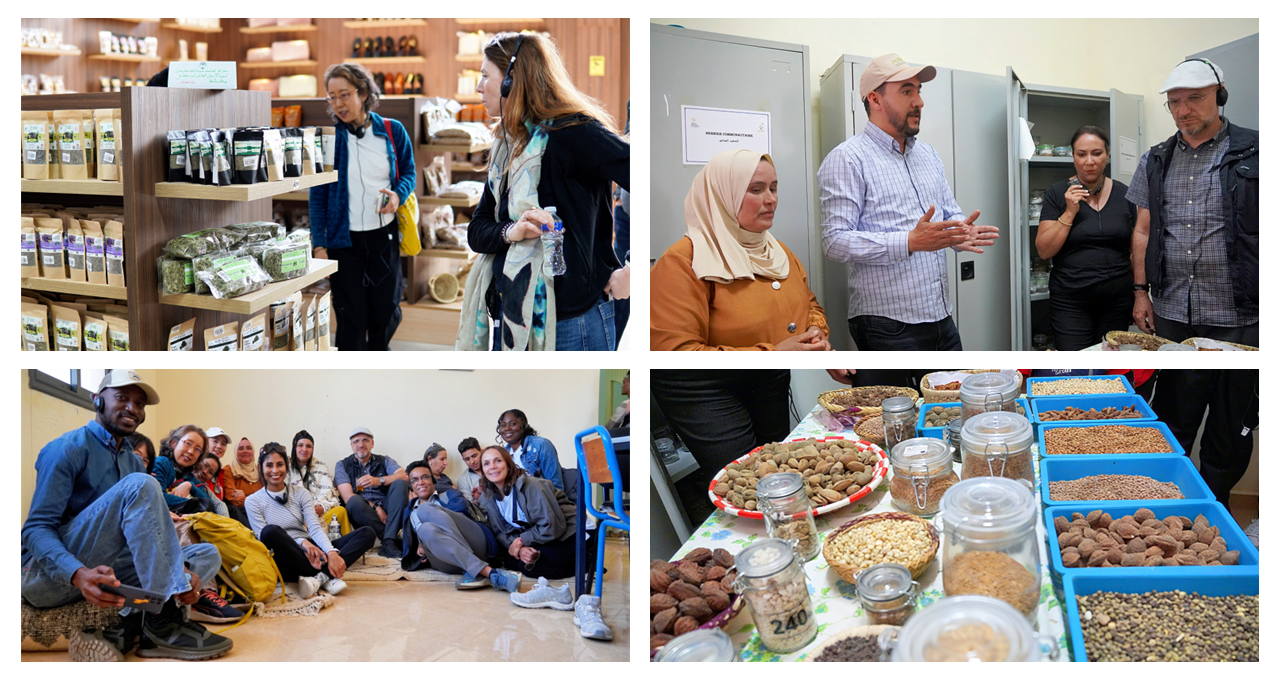
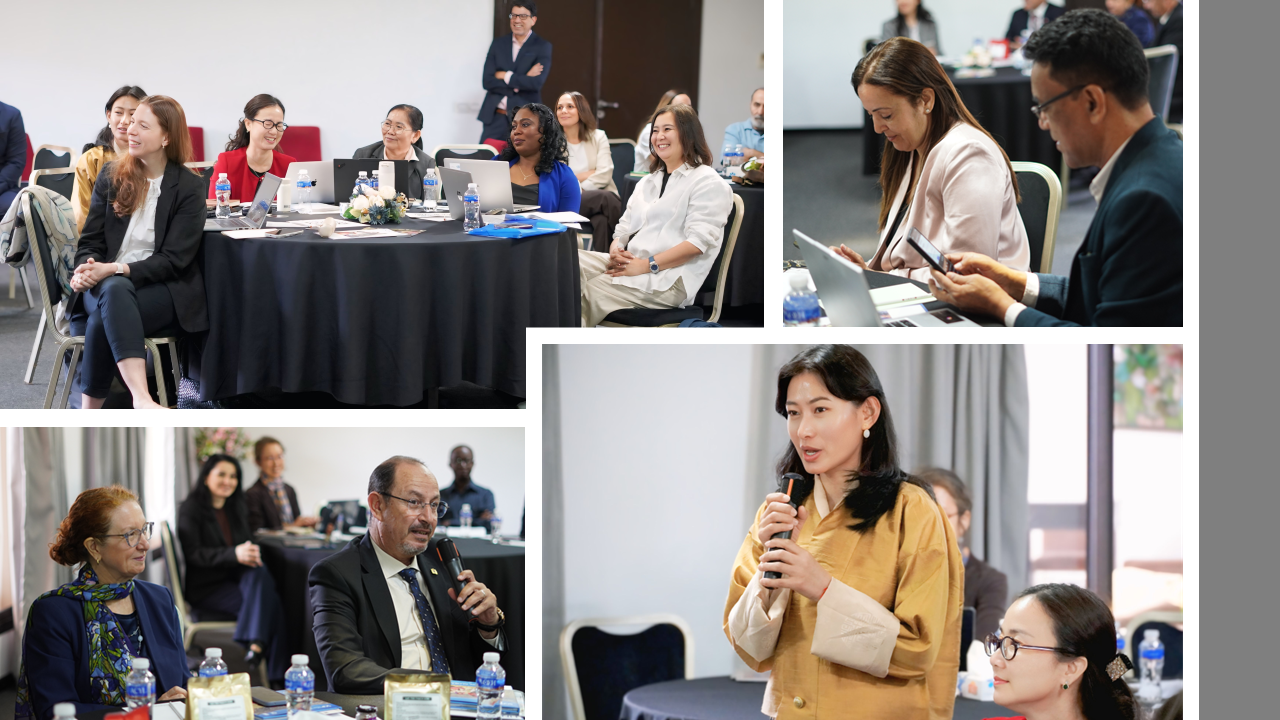 Caption: Selection of workshop and field trip photos.