



Across the world, from the dry hills of central Tanzania to the mangrove-lined coasts of Costa Rica and the fertile wetlands of Türkiye, local communities are leading efforts to protect ecosystems and sustain livelihoods. Increasingly, they are doing so while navigating the rise of digital technology.
As the world prepares for three critical environmental summits in 2026—the United Nations Conferences of Parties (COPs) on land degradation, biodiversity loss, and climate change—the search for solutions capable of addressing these global crises in ways that are both innovative and equitable is more urgent than ever.
At the heart of this conversation is a crucial question: how can we ensure that new technologies empower the local and Indigenous communities who are the frontline guardians of our planet?
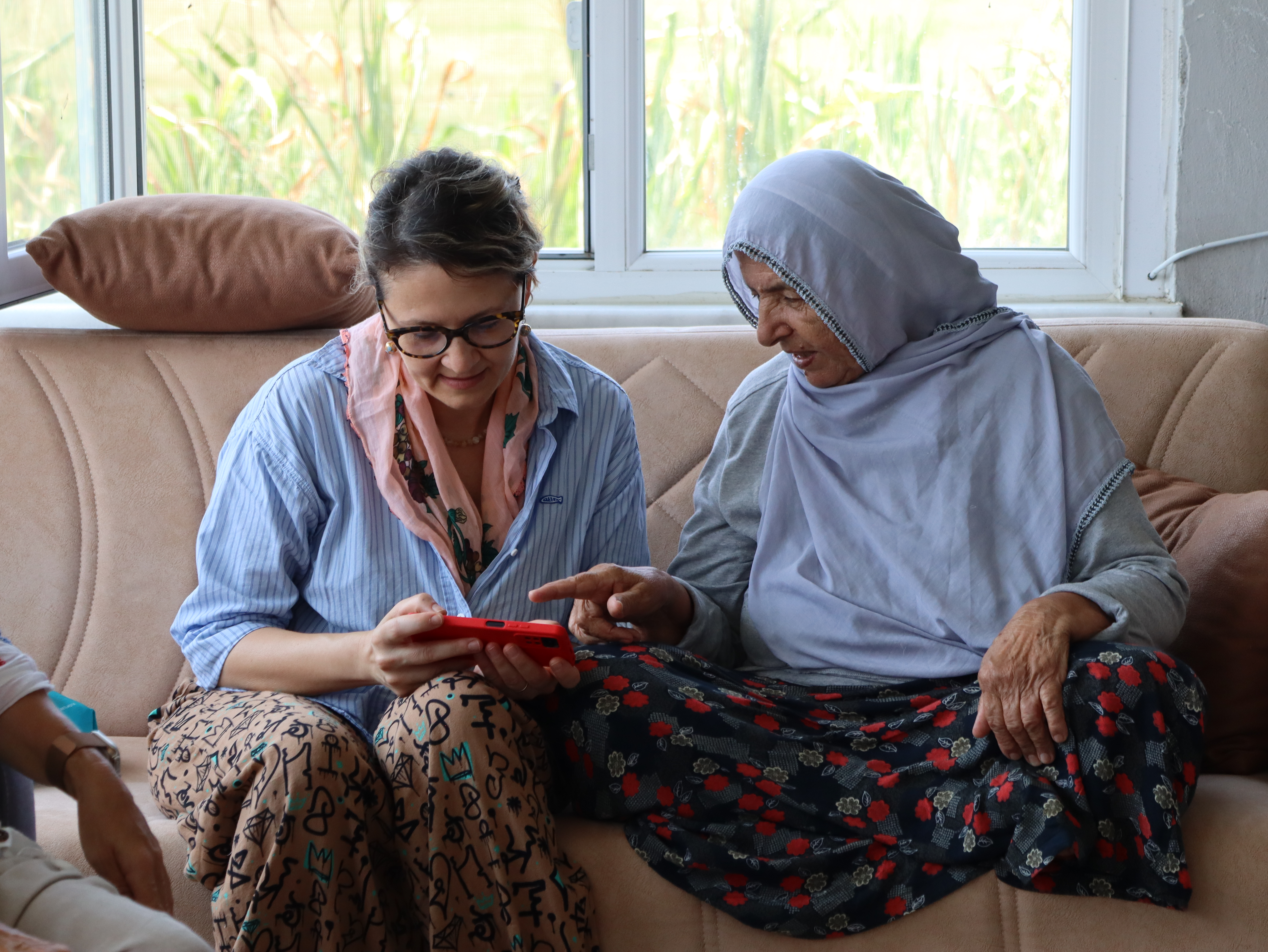
Digital tools such as GPS systems, remote sensors, drones, and artificial intelligence have the potential to strengthen locally led conservation by improving access to information, supporting decision making, and increasing visibility for local efforts. However, if not carefully designed, they can also introduce new challenges, including unequal access, erosion of cultural practices, environmental risks, and overreliance on external systems.
Ensuring that digital approaches are inclusive, appropriate, and locally grounded is therefore essential.
The Global Environment Facility Small Grants Program (GEF SGP), implemented by the United Nations Development Programme (UNDP), is exploring this delicate balance through the Community Development and Knowledge Management for the Satoyama Initiative Programme (COMDEKS), a global initiative to promote the sustainable use of natural resources in landscapes and seascapes with local communities.
Through partnerships with community organizations, research institutions, and technology providers, COMDEKS is piloting how digital tools can support local environmental initiatives in Türkiye, Tanzania, and Costa Rica. While still in early stages, these pilots are generating practical insights into how digital innovation can strengthen grassroots efforts when it is inclusive, accessible, and grounded in local contexts.