




On the rolling, high-altitude rangelands of Burd district—a vast landscape covered in grass and low shrubs, where the eastern foothills of the Khangai Mountains soften into the heart of the Mongolian steppe—Doljinsuren Sedragchaa moves with her herd. She knows their survival, and that of her own family, depends on the lush, green wetlands that slice through the lowest points of these valleys within the Tuul River Basin.
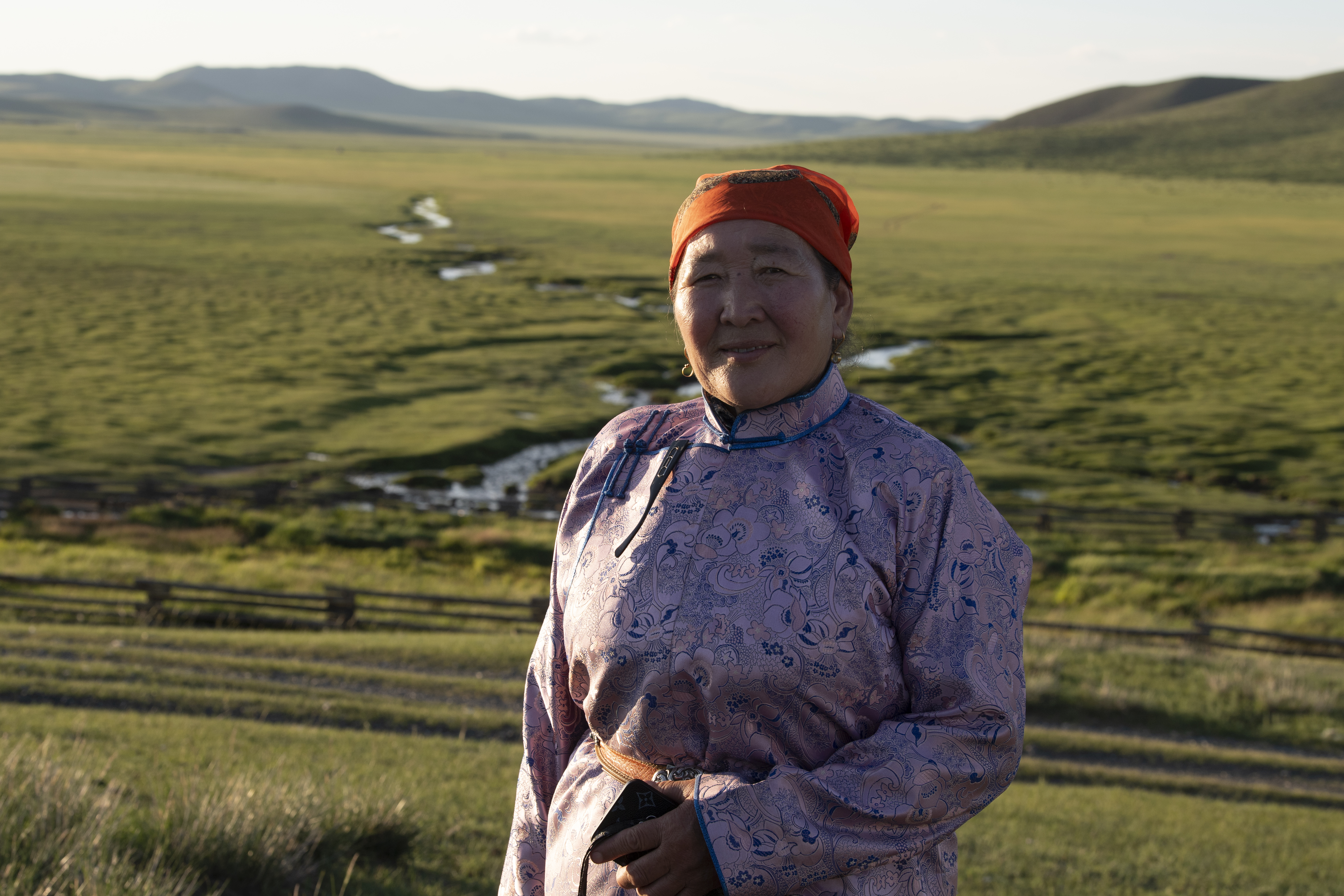
Providing the only reliable water source for herders, livestock, and wildlife, these critical ecosystems create vital habitats and nurture the grasses that animals graze on. They also form dense layers of peat soil that act as highly efficient sponges, trapping carbon and recycling groundwater.
Providing the only reliable water source for herders, livestock, and wildlife, these critical ecosystems create vital habitats and nurture the grasses that animals graze on. They also form dense layers of peat soil that act as highly efficient sponges, trapping carbon and recycling groundwater.
Pastoralism is deeply woven into Mongolia’s history and soul, with pastoral agriculture employing one third of the national labour force. Within the agriculture sector, the traditional livestock sector occupies over 70 percent of the country’s territory and generates more than 80 percent of total production.
Yet, this crucial lifeline is fraying. Today, nearly 77 percent of Mongolia’s territory is affected by land degradation. With harsh conditions across highly variable seasons, intensifying droughts driven by climate change, and livestock numbers far exceeding what the pastures can support, the wetlands that sustain herds across the Mongolian steppe are vanishing. Facing this dire prospect, Burd’s herders decided to act, organizing themselves into conservation groups to protect their natural pastures.