


1570 Documents found
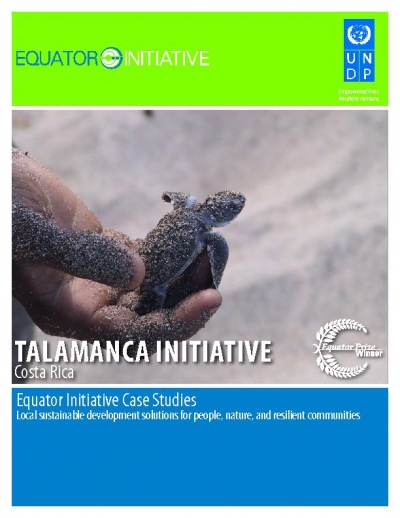
Since the late-1970s, local NGO Asociación ANAI has promoted sustainable farming practices in rural communities living within the Talamanca region of Costa Rica. Home to one-third of the country's indigenous people, the canton ranks lowest in many key socioeconomic indicators, including human development, yet is home to some of the country’s richest biodiversity. This natural heritage was threatened by overreliance on cacao farming as a monoculture, which has contributed to a vicious cycle of forest clearance and loss of soil productivity.Asociación ANAI has acted as an incubator for commu...
St. Catherine Medicinal Plants Association Association protects and cultivates native and endemic species of medicinal plants in the St. Catherine Reserve in Sinai, while developing alternative livelihood options for the area's economically marginalized Bedouin population. The reserve contains several unique and endangered medicinal plant species which have been threatened by overharvesting, collection for use as fuel, and overgrazing.The association promotes home gardens, provides alternative energy solutions, gives hands-on training on sustainable harvesting techniques, and creates market su...

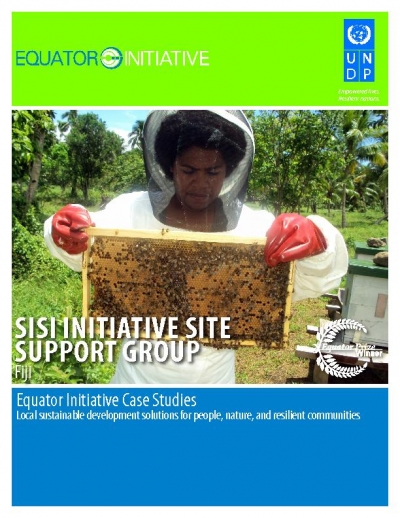
Sisi Initiative Site Support Group manages natural resources around the periphery of the Natewa Tunuloa Important Bird Area. The organization has established a 600-hectare community protected forest and developed alternative livelihood options for the area's indigenous landowners. Developed in response to illegal logging, forest fires, overgrazing, agricultural encroachment and invasive species, the organization uses an innovative incentive scheme to protect the globally important bird and wildlife species in Natewa Tunuloa. Communities signed a Memorandum of Understanding in which they agreed...
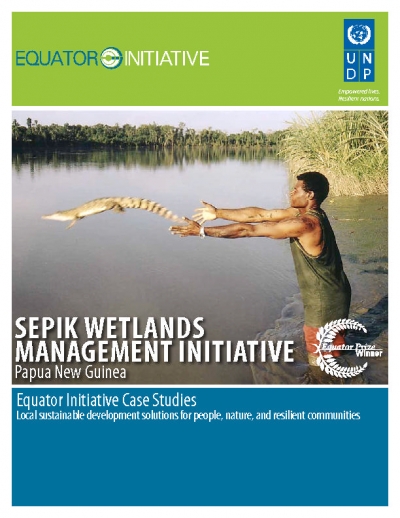
In its work with 50 communities along the Sepik River – the longest river in New Guinea – the Sepik Wetlands Management Initiative has transformed the local economy and local treatment of wetlands. The sustainable harvest of crocodile eggs from nest sites along the river has become an important source of income for local residents. Previously, crocodile nest sites were being indiscriminately destroyed by wetland fires set for hunting, agriculture, or as part of land ownership disputes.The initiative instituted a program in which local crocodile egg collectors following specified conservati...
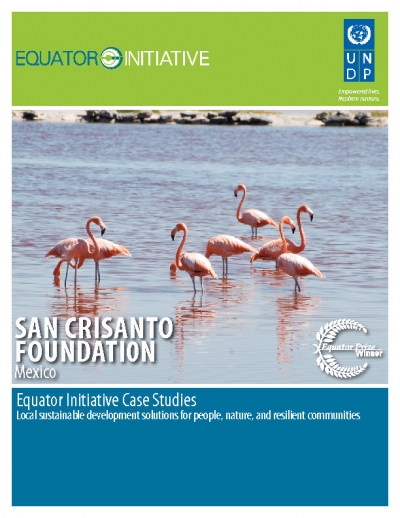
The San Crisanto Foundation focuses on mangrove restoration and flood prevention in a region that consistently faces heavy rainfall and flooding. Since the Foundation's establishment, over 11,300 metres of canals have been restored, and 45 cenotes have been delisted and rehabilitated. As a result, flood risk is reduced and populations and diversity of endemic wildlife in the cenotes and mangrove forests have increased. Restoration efforts have generated 60 jobs and local household incomes have increased substantially.To complement to its restoration efforts, the Foundation undertakes community...
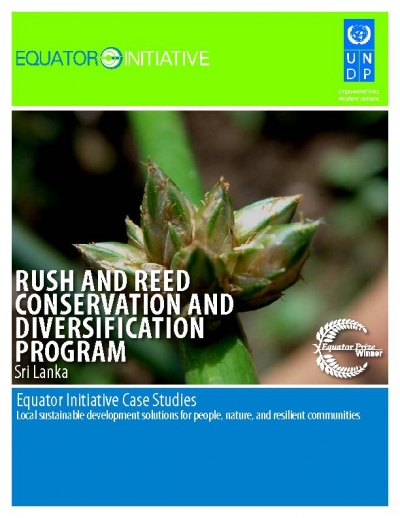
The Committee for People's Rights (Podujana Himikam Kamituwa), a local NGO based in Kalutara District, southwestern Sri Lanka, has pioneered the reintroduction of rush and reed species to household paddy fields for processing into value-added handicraft products.The Rush and Reed Conservation and Diversification Program aims to ensure the sustainable use of natural resources, to protect indigenous and traditional knowledge associated with traditional handicrafts, to conserve biodiversity and wetland ecosystems through a participatory approach, and to provide opportunities to the local populati...
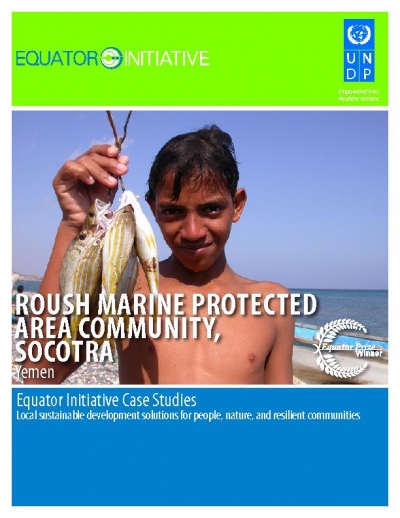
Roush Protected Area Community, Socotra, is located one kilometer north of Socotra, an island off the coast of Yemen. The marine protected area belongs to the communities of Sacra and Diherhom villages, and was developed in response to an observed decline in marine resources and fish populations. A conservation area and eco-campsite were established, and the initiative was later broadened to include conservation activities more generally.The campsite has created local jobs and benefits are shared equitably amongst participating communities. The initiative follows principles of environmental re...
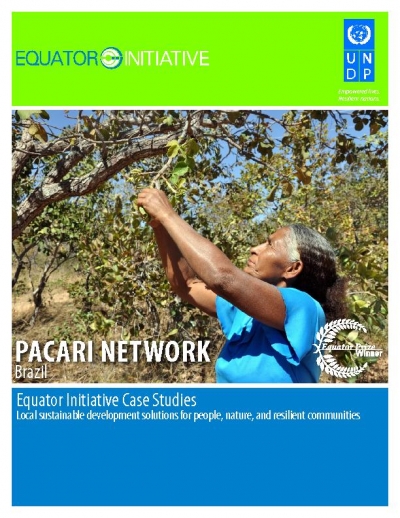
Pacari Network brings together 47 traditional pharmacies and community-based organizations to cultivate medici-nal plants, preserve traditional ecological knowledge and health traditions, and protect the biodiversity of Brazil's Cerrado biome. In the absence of comprehensive legisla-tion recognizing traditional health practices, Pacari has mo-bilized medicinal plant producers and local health practitio-ners to develop self-regulation.Standards have been put in place to regulate the prepara-tion of traditional remedies, safety and sanitary conditions for plant processing, and sustainable harves...
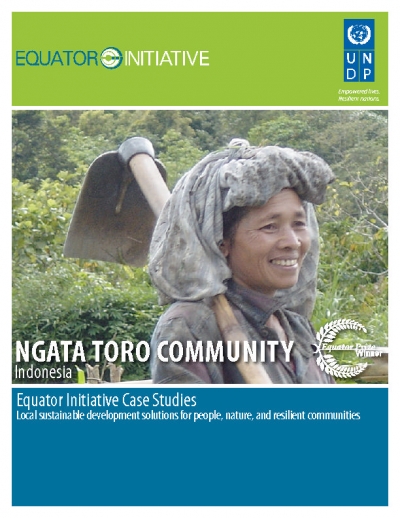
The Ngata Toro Community's 22,300 hectares of traditional lands lie partly within Lore Lindu National Park, a UNESCO Biosphere Reserve located on the Indonesian island of Sulawesi. Since 1993, two local organizations have worked to strengthen traditions, customary laws, and local institutions for sustainable use of forest, land and water resources.The Organization for the Indigenous Women of Ngata Toro Village (Organisasi Perempuan Adat Ngata Toro - OPANT) and the Institute for Indigenous People of Ngata Toro Village have promoted the sustainable harvesting of non-timber forest products, low-i...
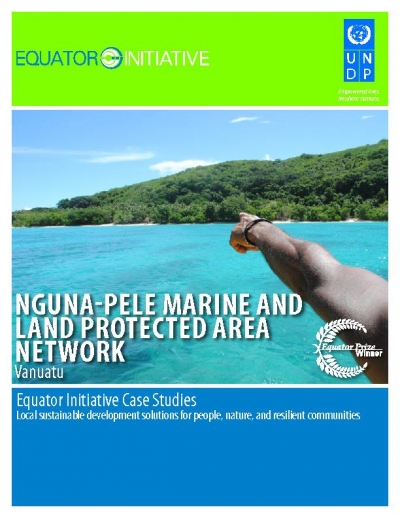
This network of marine and terrestrial protected areas spanning the Vanuatu islands of Nguna and Pele has brought together local, national and international actors in a diverse partnership for the conservation of the area's unique biodiversity. The network comprises sixteen indigenous communities engaged in the conservation of more than 3,000 hectares of marine and terrestrial resources.The project has become a case study for best practice in community marine conservation within Vanuatu and the Pacific islands for its strategies of proactive conservation, resilient management, and locally-appr...
Page 122 of 157