



1570 Documents found
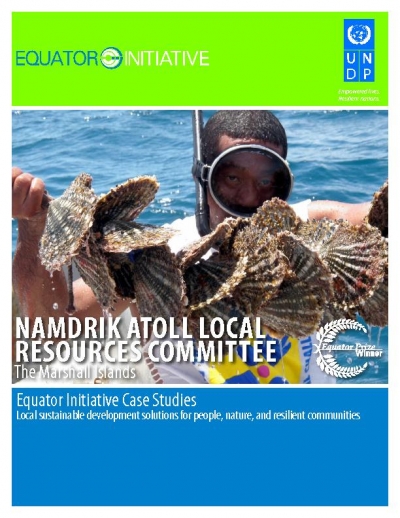
To reduce dependence on declining fisheries and vulnerability to the impacts of climate change, Namdrik Atoll Local Resources Committee is promoting a model of community self-sufficiency, local food security and adaptation. Traditional crops such as breadfruit, taro and native pandanus have been reintroduced to protect and restore soil, improve food security and open value-added secondary processing industries for local communities.A pearl farm provides jobs and a revenue stream to fund community development projects in education and health. Training in rainwater harvesting is providing the co...
With 912,000
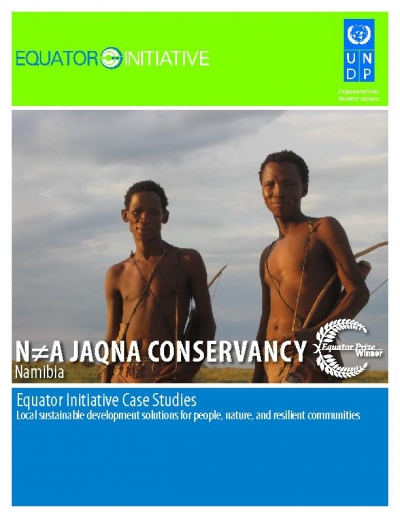
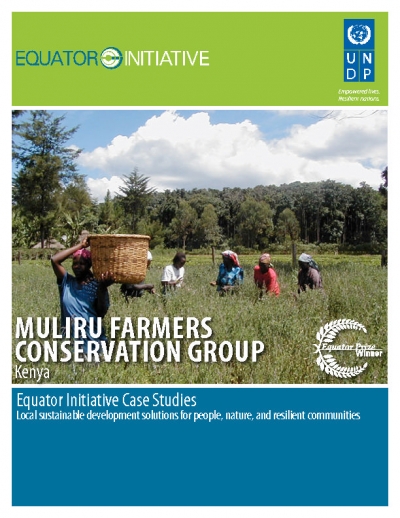
Muliru Farmers Conservation Group is a community-based organization located near Kakamega Forest in western Kenya. The group generates income through the commercial cultivation and secondary processing of an indigenous medicinal plant, to produce the Naturub® brand of medicinal products.The enterprise reduces pressure on the biodiverse Kakamega Forest by offering an alternative to the exploitation of forest resources, while the commercialization of the medicinal plant has heightened local appreciation of the value of the forest's biodiversity. Over half of the project participants are women a...
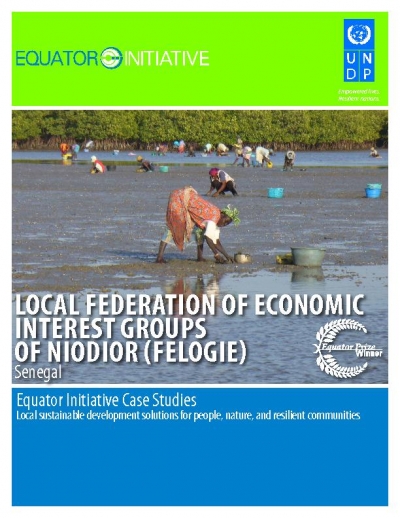
Since 2005, this federation of women's economic interest groups, centered on the island of Niodior, has worked to rehabilitate mangrove ecosystems and promote natural resource management in the Saloum Delta Biosphere Reserve. The group was founded in response to multiple pressures on the reserve's mangrove and marine resources, and a 22-woman monitoring committee was established to regulate the harvesting of marine and forest resources.With funding from the UNDP-implemented GEF Small Grants Programme, the initiative developed a participatory code of conduct for marine harvesting, purchased equ...
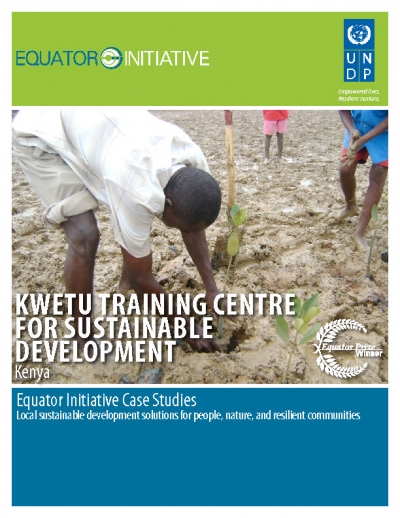
Kwetu Training Centre is based in Kenya's coastal district of Kilifi where it uses a model demonstration site and extensive youth group engagement to promote sustainable environmental management of the coast’s mangrove forests. This has involved voluntary reforestation efforts and development of silviculture based around the mangrove ecosystems, such as crab farming, bee keeping and ecotourism. To this end, the centre has recently constructed a boardwalk through the local mangrove forests.As local illiteracy rates are high, Kwetu uses methods such as dance, drama, and music to convey conserv...
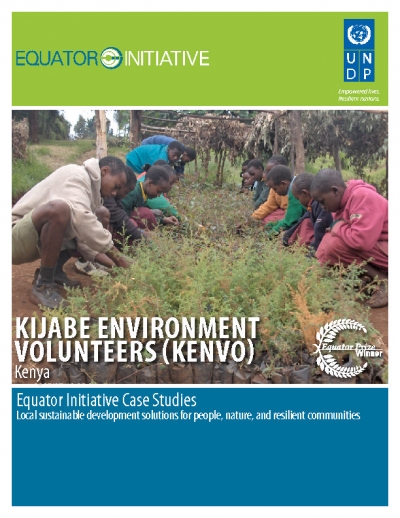
Kijabe Environment Volunteers (KENVO) has worked with rural communities on the Kikuyu Escarpment in Kenya since 1996, with a primary focus on forest conservation and reforestation in response to human pressures on the escarpment’s forests. The organization has evolved beyond this initial focus, however, into a flexible delivery mechanism for donor-funded interventions and a powerful vehicle for holistic local development.The current range of activities includes selling affordable fuel-efficient stoves to poor farming households; distributing mosquito nets to combat increased incidence of mal...
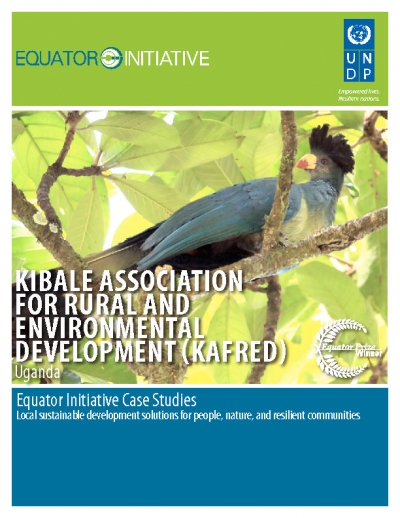
The village community of Bigodi, near Fort Portal, western Uganda, straddles an eight kilometre stretch of papyrus wetland that is home to an abundance of wildlife. Eight primate species and more than 200 bird species draw tourists from neighbouring Kibale Forest National Park, for which the Bigodi swamp forms an important wildlife corridor. Through the work of Kibale Association for Rural and Environmental Development (KAFRED), the community benefitted substantially from this ecotourism trade by establishing guided tours along a boardwalk through the wetlands, supplemented by the sale of hand...
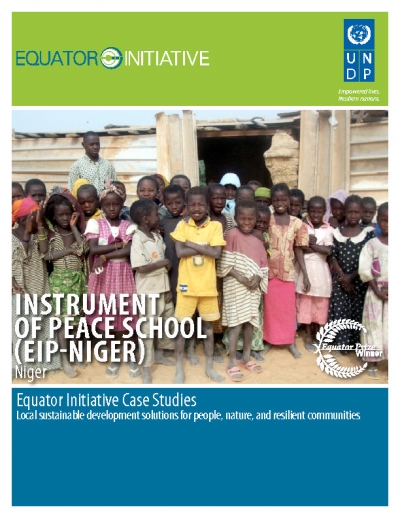
The village of Saga, located south of Niamey on the banks of the Niger River, was the initial setting for an innovative experiment in converting a troublesome invasive species in the river basin into an economic opportunity for the local community. Water hyacinth (Eichhornia crassipes) has clogged local irrigation systems, limited navigability of the river, restricted access to local markets, and decreased the viability of the local economy, as well as severely impacting ecosystem health and water quality.École Instrument de Paix has mobilized community members to collect water hyacinth from ...
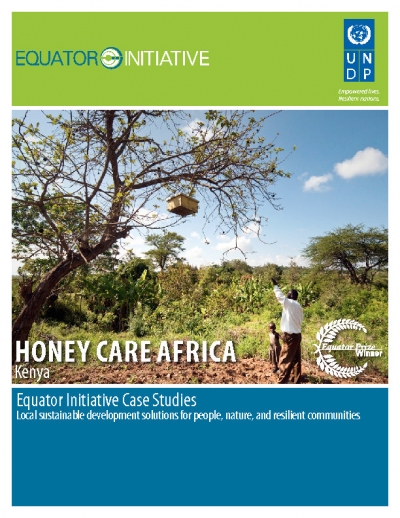
Honey Care Africa is a social enterprise that strives to raise incomes for rural Kenyan farmers through apiculture. Taking advantage of a tradition of beekeeping as a supplementary source of food and cash income for Kenyan farmers, the enterprise has sought to improve the productivity and viability of this sustainable livelihood activity as an alternative to poaching, timber-felling, and charcoal burning for many of the country's poorest rural communities.Through the design, manufacture, and sale of Langstroth bee hives, the enterprise has intervened to boost the supply capacities of farmers; ...
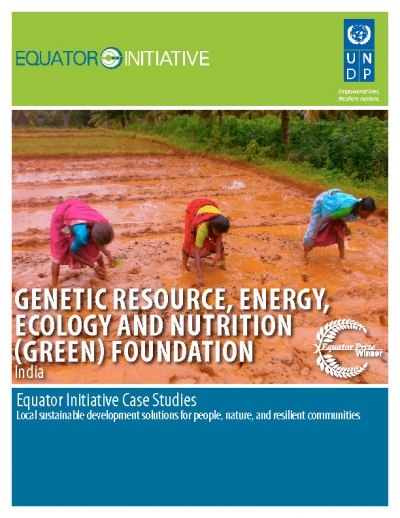
With the aim of preserving seed diversity and genetic heritage, encouraging the adoption of organic farming practices, and improving rural livelihoods, GREEN Foundation works through around 40 farmers' groups – termed Krishi Self-Help Groups – covering 30 villages across the northern districts of Karnataka, comprising a target population of almost 5,000 farmers, with a particular focus on women and indigenous peoples. All groups are members of a farmers' federation, Janadhanya. Beginning in 1994 with just a handful of farmers, the association now comprises 650 members.GREEN staff oversee a...
Page 123 of 157