


1563 Documents found
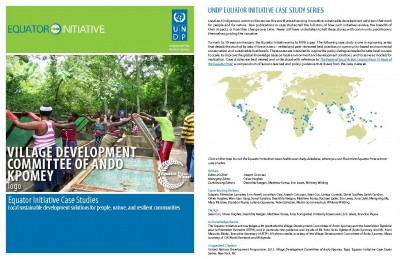
After a devastating bush fire in 1973, the village of Ando Kpomey created a "green belt" buffer around its community that has grown into a 100-hectare forest. A participatory management committee has been established to monitor the forest and its resources and to regulate its use. The community authorizes limited resource extraction to meet livelihood needs and manages revenues generated from the sale of forest-based products. Local women are authorized entry to the community forest to access firewood, significantly reducing the average time needed to forage for cooking fuel. Various crops are...
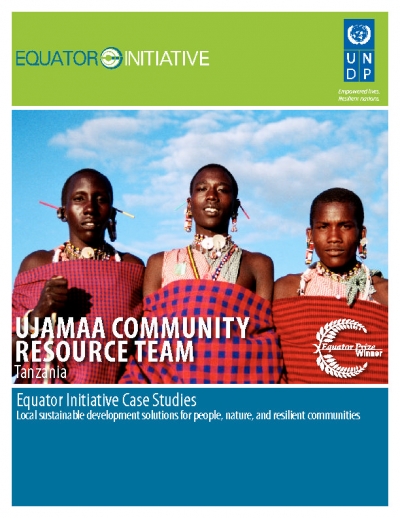
Ujamaa Community Resource Team works across northern Tanzania to help secure land and resource rights for pastoralist, agro-pastoralist, and hunter-gatherer communities, many of whom are negatively affected by the existence of the country's large protected areas. The group's approach has capitalized on Tanzania's village land legislation, which allows communities to develop by-laws and land use plans for their customary lands, and has also focused on improving the ecosystem management capacity of these communities.By guiding socially marginalized groups through the arduous process of securing ...
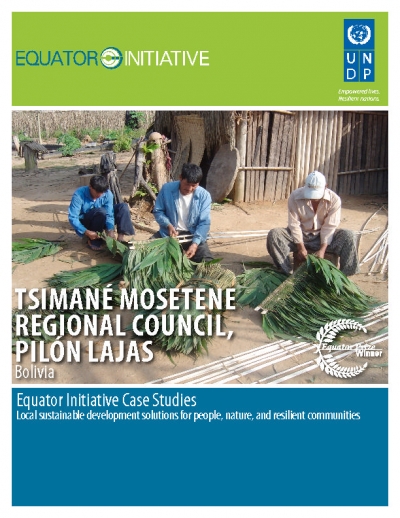
Tsimané Mosetene Regional Council of Pilón Lajas works in Bolivia's Biosphere Reserve to conserve biodiversity and to protect the rights of the indigenous peoples within the Reserve. The Regional Council jointly manages the Reserve with Bolivia’s National Service of Protected Areas.In addition to safeguarding wildlife in the protected area by tackling poaching, advancing sustainable agriculture and developing a forestry management plan, the Regional Council group has been involved in the construction of schools in 14 different communities. Additional activities aimed at improving local liv...
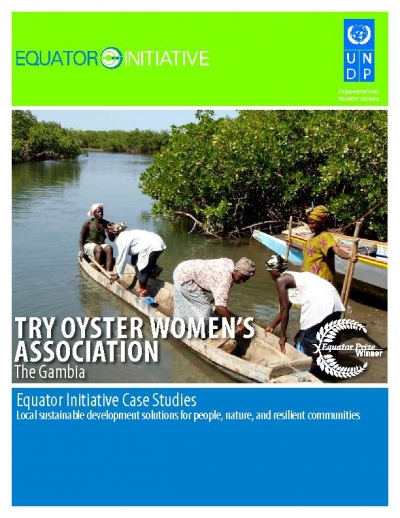
TRY Oyster Women's Association brings together 500 female oyster harvesters from 15 villages in the Greater Banjul area. Harvesters are grouped into cooperatives where they exchange sustainable oyster harvesting techniques and receive training in small-scale enterprise development. These cooperatives have ensured access to appropriate equipment and technologies, set higher standards for working and sanitary conditions, and helped to coordinate the processing, packaging and marketing of oysters.The cooperatives have also mobilized to reforest local mangroves and educate the local population on ...
Toledo Institute for Development and Environment (TIDE) partners with local communities to promote sustainable income generation and co-management of both forest and marine resources in the Maya Mountain Marine Corridor, a conservation area covering approximately 739,650 acres of land and the equivalent of 100,000 acres of sea.From its volunteer-led beginning, TIDE has grown to include about 30 full-time staff members. The organization works with communities across three main program areas: education and outreach, resource protection, and research and monitoring. Additionally, TIDE has establi...

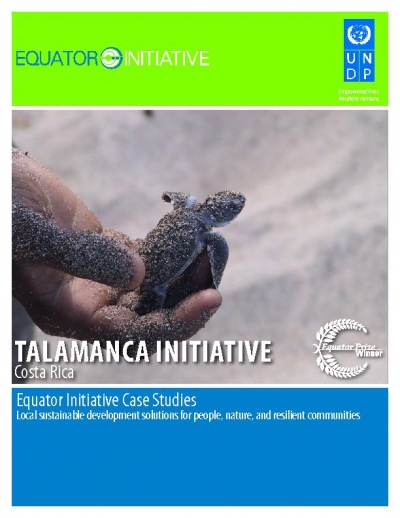
Since the late-1970s, local NGO Asociación ANAI has promoted sustainable farming practices in rural communities living within the Talamanca region of Costa Rica. Home to one-third of the country's indigenous people, the canton ranks lowest in many key socioeconomic indicators, including human development, yet is home to some of the country’s richest biodiversity. This natural heritage was threatened by overreliance on cacao farming as a monoculture, which has contributed to a vicious cycle of forest clearance and loss of soil productivity.Asociación ANAI has acted as an incubator for commu...
St. Catherine Medicinal Plants Association Association protects and cultivates native and endemic species of medicinal plants in the St. Catherine Reserve in Sinai, while developing alternative livelihood options for the area's economically marginalized Bedouin population. The reserve contains several unique and endangered medicinal plant species which have been threatened by overharvesting, collection for use as fuel, and overgrazing.The association promotes home gardens, provides alternative energy solutions, gives hands-on training on sustainable harvesting techniques, and creates market su...

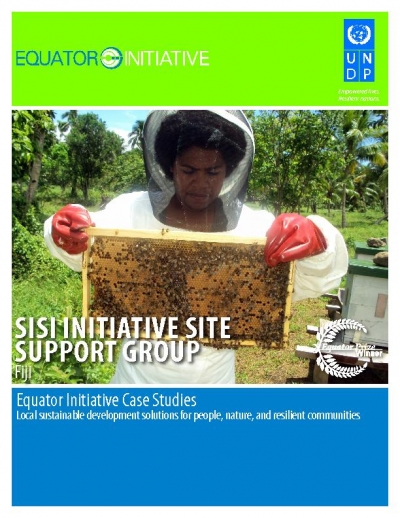
Sisi Initiative Site Support Group manages natural resources around the periphery of the Natewa Tunuloa Important Bird Area. The organization has established a 600-hectare community protected forest and developed alternative livelihood options for the area's indigenous landowners. Developed in response to illegal logging, forest fires, overgrazing, agricultural encroachment and invasive species, the organization uses an innovative incentive scheme to protect the globally important bird and wildlife species in Natewa Tunuloa. Communities signed a Memorandum of Understanding in which they agreed...
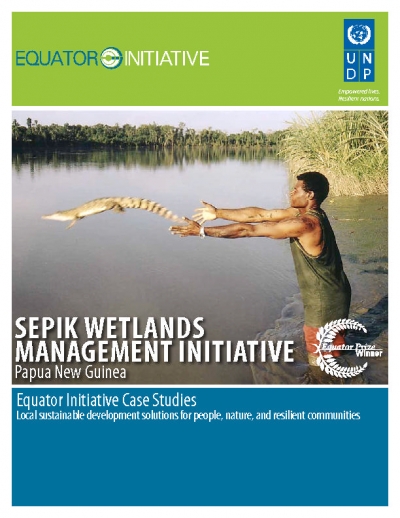
In its work with 50 communities along the Sepik River – the longest river in New Guinea – the Sepik Wetlands Management Initiative has transformed the local economy and local treatment of wetlands. The sustainable harvest of crocodile eggs from nest sites along the river has become an important source of income for local residents. Previously, crocodile nest sites were being indiscriminately destroyed by wetland fires set for hunting, agriculture, or as part of land ownership disputes.The initiative instituted a program in which local crocodile egg collectors following specified conservati...
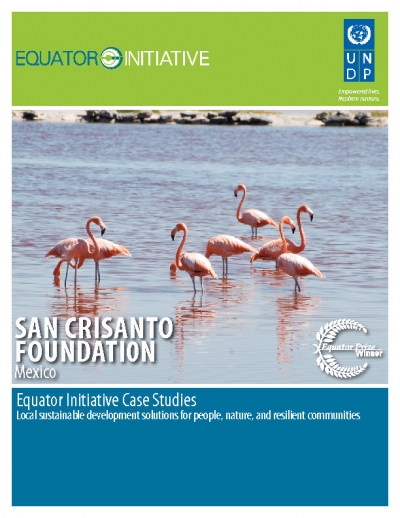
The San Crisanto Foundation focuses on mangrove restoration and flood prevention in a region that consistently faces heavy rainfall and flooding. Since the Foundation's establishment, over 11,300 metres of canals have been restored, and 45 cenotes have been delisted and rehabilitated. As a result, flood risk is reduced and populations and diversity of endemic wildlife in the cenotes and mangrove forests have increased. Restoration efforts have generated 60 jobs and local household incomes have increased substantially.To complement to its restoration efforts, the Foundation undertakes community...
Page 124 of 157