


1563 Documents found
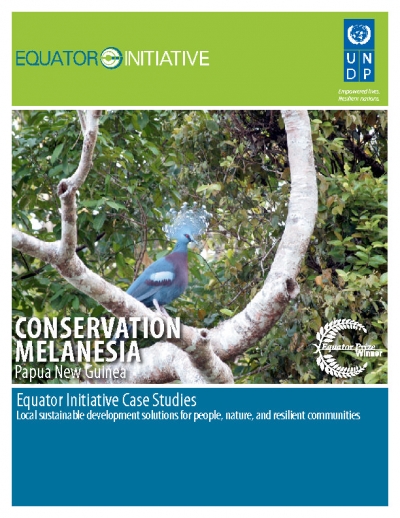
Since 1995, the biologically diverse Collingwood Bay area on the coast of Oro Province, north-eastern Papua New Guinea, has been the setting for a conflict between the province’s 3,000 indigenous Maisin people and proposed commercial logging and palm oil development within the community's 262,000 hectares of ancestral lands. In 1998, 38,000 hectares of tropical forest were fraudulently signed over to a foreign investor; since then, Conservation Melanesia, a local environmental NGO, has been a critical ally in publicizing the community's plight and building capacity to resist the proposed dev...
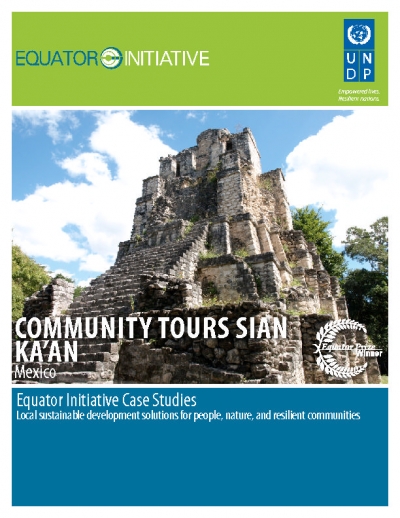
The Sian Ka'an Biosphere Reserve is the largest marine protected area in Mexico, spanning more than 1.3 million acres of land and ocean. It has been designated a UNESCO World Heritage Site in recognition of its rich biodiversity and wealth of Mayan culture; "Sian Ka'an" is Mayan for "where the sky is born".Working within this protected area is Community Tours Sian Ka'an, an alliance of three sustainable ecotourism cooperatives that work directly with the Punta Allen and Muyil indigenous communities. While the Sian Ka'an Biosphere Reserve receives thousands of visitors every year, indigenous co...
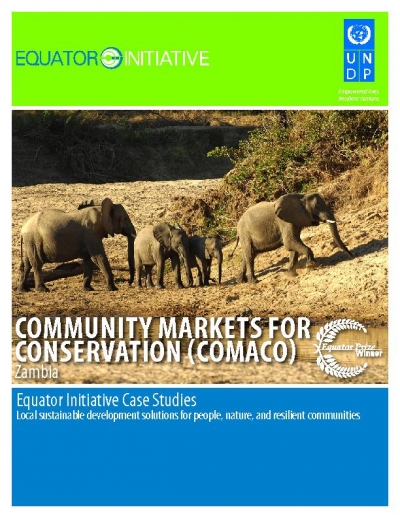
Zambia's Luangwa Valley is the setting for a pioneering initiative that is transforming the local economy and reducing human pressures wildlife. Led by the Wildlife Conservation Society, Community Markets for Conservation (COMACO) has brought about substantial livelihoods and conservation benefits through a producer group model of collective learning, reaching more than 40,000 farming households with training in conservation farming techniques.Farmers are invited to become COMACO members in return for adopting a package of eco-agriculture and organic farming techniques that both reduce the env...
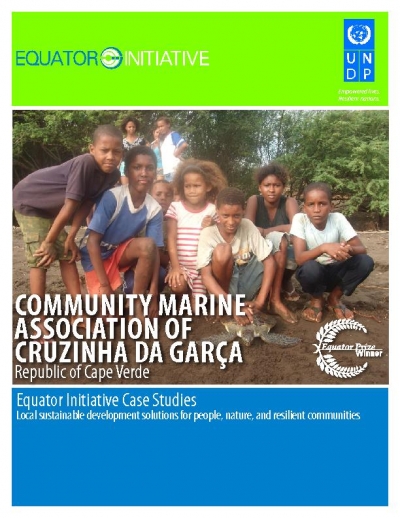
Cruzinha da Garça is one of the most important nesting grounds for sea turtles in Cape Verde. The Community Marine Association of Cruzinha da Garça seeks to develop alternative forms of local marine resource use to conserve this endangered species. The project is part of a regional initiative that involves fishing communities in the conservation of marine turtles and their habitat. Conservation and sustainable livelihoods work extends to the islands of São Nicolau, Santo Antao and Sao Vicente.The association protects spawning loggerhead sea turtles in their natural habitats through beach mo...
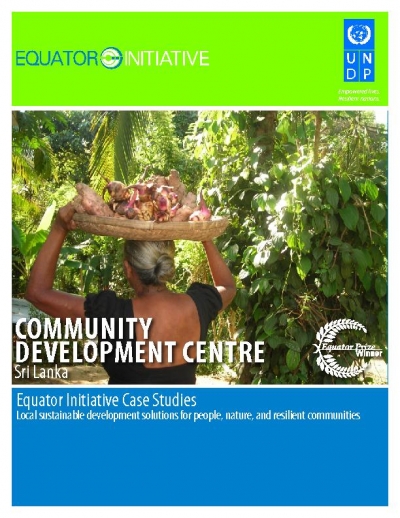
Sri Lanka's Community Development Centre (CDC) has worked to improve rural livelihoods through conservation of indigenous tuber varieties using seed banks managed by women-led self-help groups. Local technologies are used for seed production, with training on in-situ conservation of native varieties on individual land parcels. These self-help cooperatives are organized into federations of around five or six groups, each of which maintains a revolving credit fund to stimulate livelihoods diversification.CDC has provided more than 300 families with an alternative income source and a viable food ...
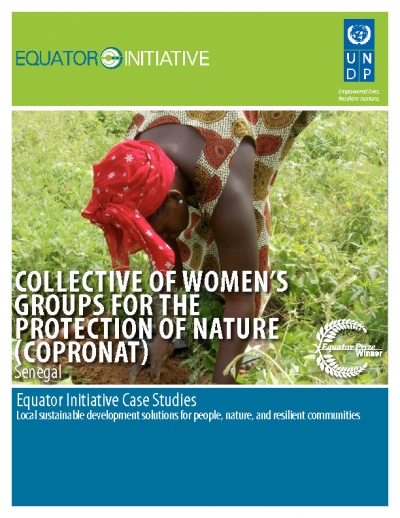
This collective brings together women’s groups from communities bordering the Popenguine Nature Reserve, a 1,000-hectare coastal reserve located in the Thies region of Senegal. Since the creation of the reserve in 1986 to prevent over-harvesting of marine resources and degradation of mangrove forests, the park’s authorities have sought to involve local communities in its management. Volunteer groups of women began forming to help reforest sections of mangrove forest in the late-1980s, eventually leading to the creation of COPRONAT in 1996.Comprising more than 1,500 women organized in econo...
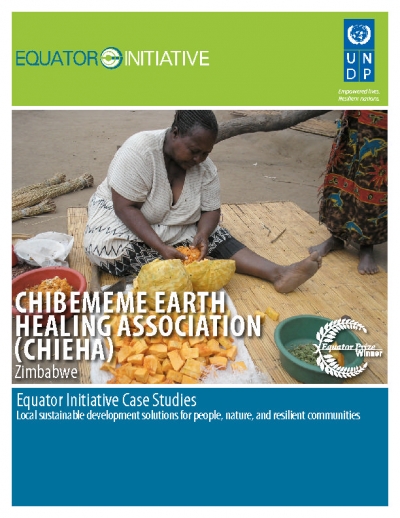
The Chibememe Earth Healing Association (CHIEHA) is a community-based initiative centered on the small village of Chibememe, in Masvingo province, Zimbabwe. Arising in response to habitat destruction and deforestation in the Zivambava Island forest and the Chibememe mainland forest, the organization’s work has been driven by the 17 households that make up Chibememe community. Its work has spread to include neighbouring communities, however, with the development of environmental outreach and sustainable livelihoods activities that aim to sustainably manage natural resources in the wider Sangw...
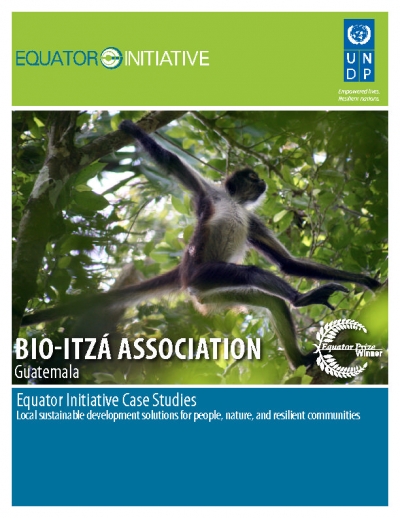
The Bio-Itzá Association is an indigenous organization of the Mayan Itzá people, located in the Municipality of San José in northern Guatemala, which works to involve local communities and incorporate Mayan cultural traditions in the conservation of regional biodiversity. Legally incor-porated in 1991, the association’s first major achievement came in 1998, when it was granted usufruct ownership of a 36-square kilometer area of forest, the Indigenous Com-munity Bio-Itzá Reserve – the first indigenous community reserve to be established in Guatemala.The association brings together 60 me...
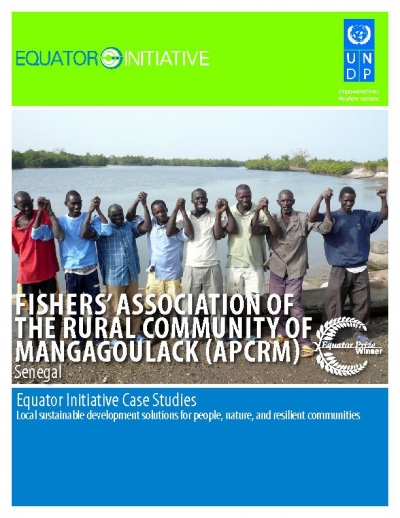
The Fishers' Association of the Rural Community of Mangagoulack – established by fishers from eight villages in central Casamance – manages a community conserved area with the aim of improving local incomes, strengthening food security and sovereignty, and protecting biodiversity.
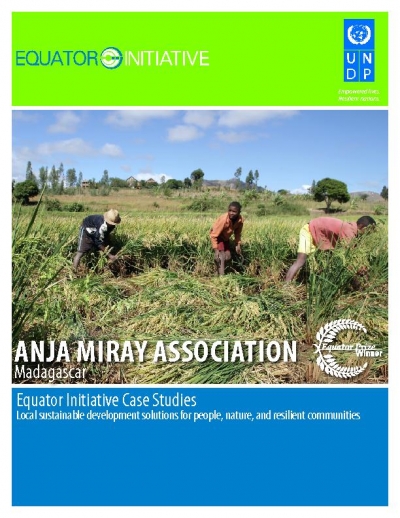
Anja Miray Association was established in 1999 in response to the degradation and clearing of local forests, the sedimentation of water resources, and the loss of wildlife such as ring-tailed lemurs, chameleons and tropical birds. The Association operates a 30-hectare community forest reserve in the Haute Matsiatra region of Madagascar.The community has established an ecotourism initiative which funds community works projects – schools, health clinics and environmental education – and ongoing conservation activities.
Page 127 of 157