



1563 Documents found
Kijabe Environment Volunteers (KENVO) has worked with rural communities on the Kikuyu Escarpment in Kenya since 1996, with a primary focus on forest conservation and reforestation in response to human pressures on the escarpment’s forests. The organization has evolved beyond this initial focus, however, into a flexible delivery mechanism for donor-funded interventions and a powerful vehicle for holistic local development.The current range of activities includes selling affordable fuel-efficient stoves to poor farming households; distributing mosquito nets to combat increased incidence of mal...
The village community of Bigodi, near Fort Portal, western Uganda, straddles an eight kilometre stretch of papyrus wetland that is home to an abundance of wildlife. Eight primate species and more than 200 bird species draw tourists from neighbouring Kibale Forest National Park, for which the Bigodi swamp forms an important wildlife corridor. Through the work of Kibale Association for Rural and Environmental Development (KAFRED), the community benefitted substantially from this ecotourism trade by establishing guided tours along a boardwalk through the wetlands, supplemented by the sale of hand...
The village of Saga, located south of Niamey on the banks of the Niger River, was the initial setting for an innovative experiment in converting a troublesome invasive species in the river basin into an economic opportunity for the local community. Water hyacinth (Eichhornia crassipes) has clogged local irrigation systems, limited navigability of the river, restricted access to local markets, and decreased the viability of the local economy, as well as severely impacting ecosystem health and water quality.École Instrument de Paix has mobilized community members to collect water hyacinth from ...

Honey Care Africa is a social enterprise that strives to raise incomes for rural Kenyan farmers through apiculture. Taking advantage of a tradition of beekeeping as a supplementary source of food and cash income for Kenyan farmers, the enterprise has sought to improve the productivity and viability of this sustainable livelihood activity as an alternative to poaching, timber-felling, and charcoal burning for many of the country's poorest rural communities.Through the design, manufacture, and sale of Langstroth bee hives, the enterprise has intervened to boost the supply capacities of farmers; ...
With the aim of preserving seed diversity and genetic heritage, encouraging the adoption of organic farming practices, and improving rural livelihoods, GREEN Foundation works through around 40 farmers' groups – termed Krishi Self-Help Groups – covering 30 villages across the northern districts of Karnataka, comprising a target population of almost 5,000 farmers, with a particular focus on women and indigenous peoples. All groups are members of a farmers' federation, Janadhanya. Beginning in 1994 with just a handful of farmers, the association now comprises 650 members.GREEN staff oversee a...
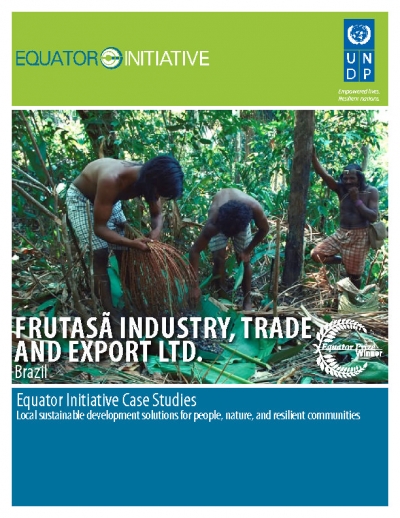
FrutaSã has its roots in a scoping study of the Brazilian Cerrado eco-region conducted in the 1990s to determine socioeconomic challenges facing smallholder farmers and indigenous communities. Alongside mounting environmental threats to the region, exacerbated by the economic marginalization of the rural communities and subsequent over-exploitation of local resources, these findings inspired the 'Fruits of the Cerrado' project, which eventually became FrutaSã Industry, Trade and Export Ltd.This eco-enterprise creates income for small-holder farmers through the sustainable extraction, marketi...
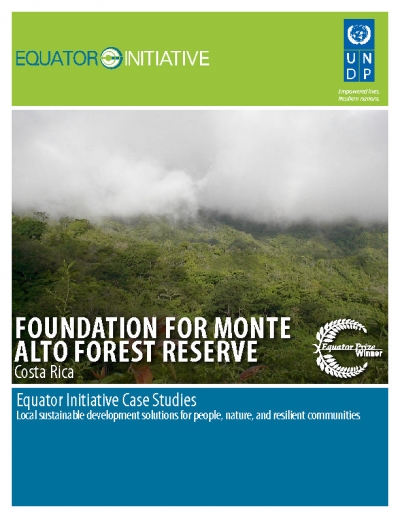
Responding to deforestation around the headwaters of the Nosara River, a source of drinking water and of wellbeing for the inhabitants of the small town of Hojancha in the central highlands of the Nicoya peninsula, local farmers came together in 1994 to enhance local forest conservation and create the co-managed Monte Alto Protected Zone. This 924-hectare area was created by acquiring land for natural regeneration or reforestation. A co-management agreement with the Costa Rican Ministry of Environment ensures local participation in the area’s management decisions.The
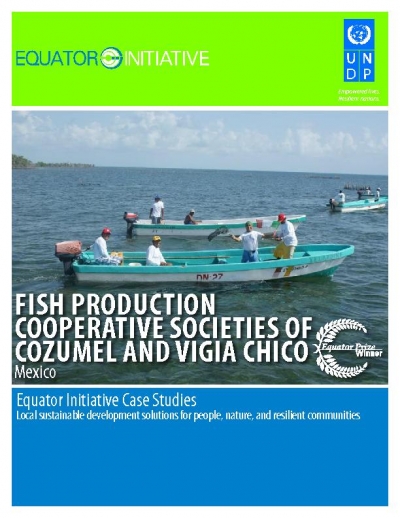
The Fish Production Cooperative Societies of Cozumel and Vigía Chico works to advance a model of sustainable fishing for local communities. Located on the tropical island of Cozumel, an international tourist destination, and in the Sian Ka’an Biosphere Reserve, a national park and UNESCO World Heritage Site, the cooperatives have a long history of collaboration dating to the 1960s.Today, the two cooperative societies coordinate their fishing activities off the coast of the island of Cozumel, with a particular focus on lobster and scaled fish such as grouper, cod, and snapper. Together, the ...
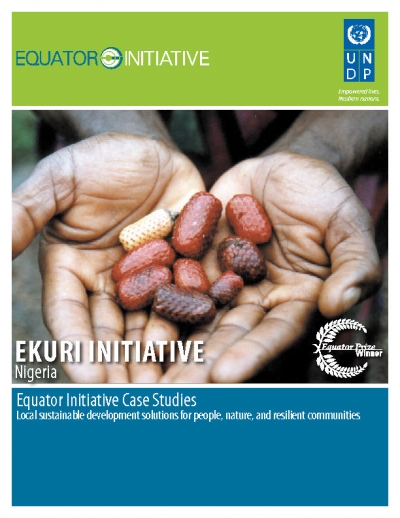
Located in Nigeria's Cross River State, the Ekuri community manages a 33,600-hectare community forest adjacent to the Cross-River National Park. Community forest management began in the 1980s, when the villages of Old Ekuri and New Ekuri united in response to the proposed logging of their forest. The project would have included the construction of a road linking the villages to local market centres; instead, the community decided to sustainably manage the forest as a community asset, generating income, subsistence materials and food.Levies on the sale of non-timber forest products by community...
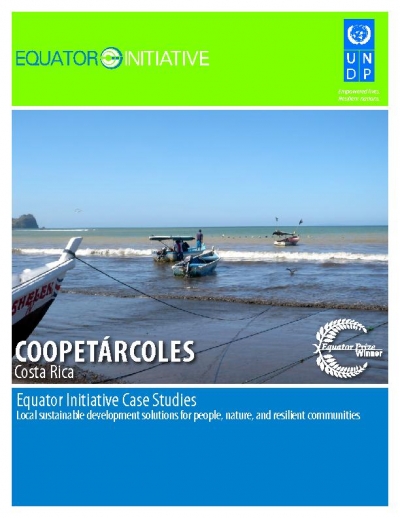
The artisanal fishers of the community of Tárcoles, located in the Gulf of Nicoya on the Pacific coast of Costa Rica, faced declining fish stocks due to a combination of overharvesting by commercial shrimp boats and unsustainable local fishing practices. At the same time, development of the tourism sector along the coast threatened to restrict access to the shore and to marginalize their work. The local fishing cooperative CoopeTárcoles R.L. was founded in 1985 to confront these twin threats.At the forefront of these efforts has been the development of fishing bylaws that stress sustainable ...
Page 126 of 157