








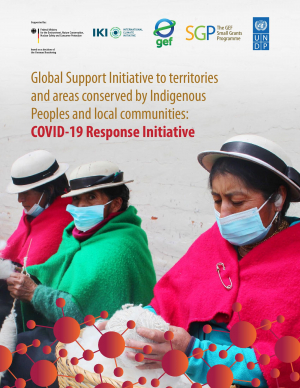



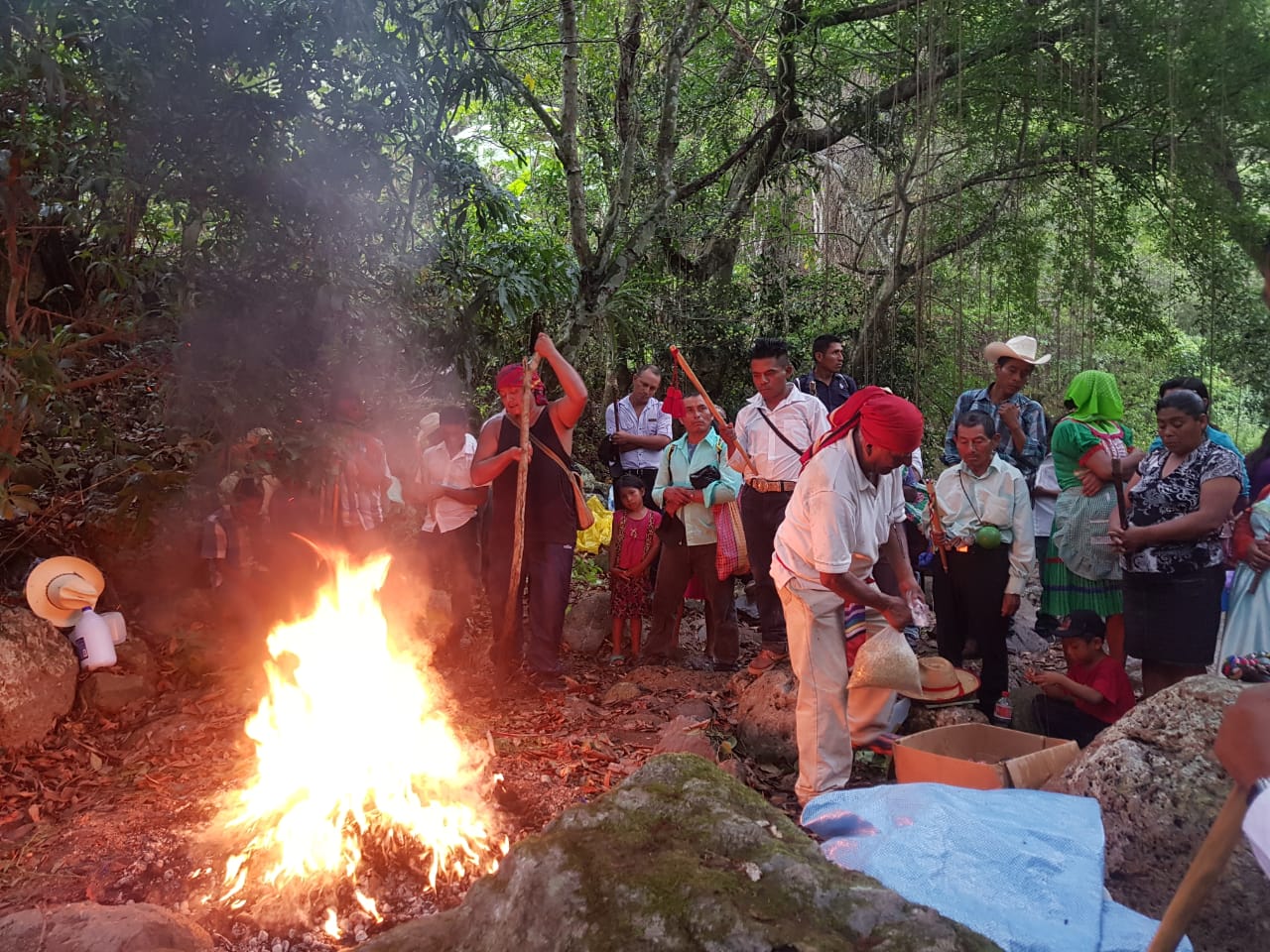
 After decades of struggling in defending their territories, natural resources and cultural heritage, Guatemala’s Ch'orti’ indigenous peoples have recovered their territories in May 2010 when the municipal governments restored their legal tenure. Thus far, a total of 300,000 hectares of land has been already recovered and another 200,000 hectares is in the process of recovery. This historic moment is a shift towards ethno-development, allowing the Ch'orti’ peoples to go back to their roots and promote local employment and growth based on their ethnic identity, ancestral governance, spirituality and capacity to mobilize labor, capital, and other resources to achieve shared goals. Prior to this transformational event, the Ch'orti’ peoples, with no access to their lands, could not grow their own food and products for local markets and were using agricultural practices dictated by the wealthy farmers they worked for. Consequently, poverty, malnutrition and weakening of traditional practices, amongst other factors, became prevalent.
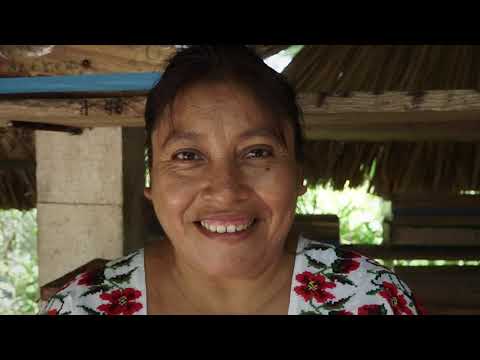
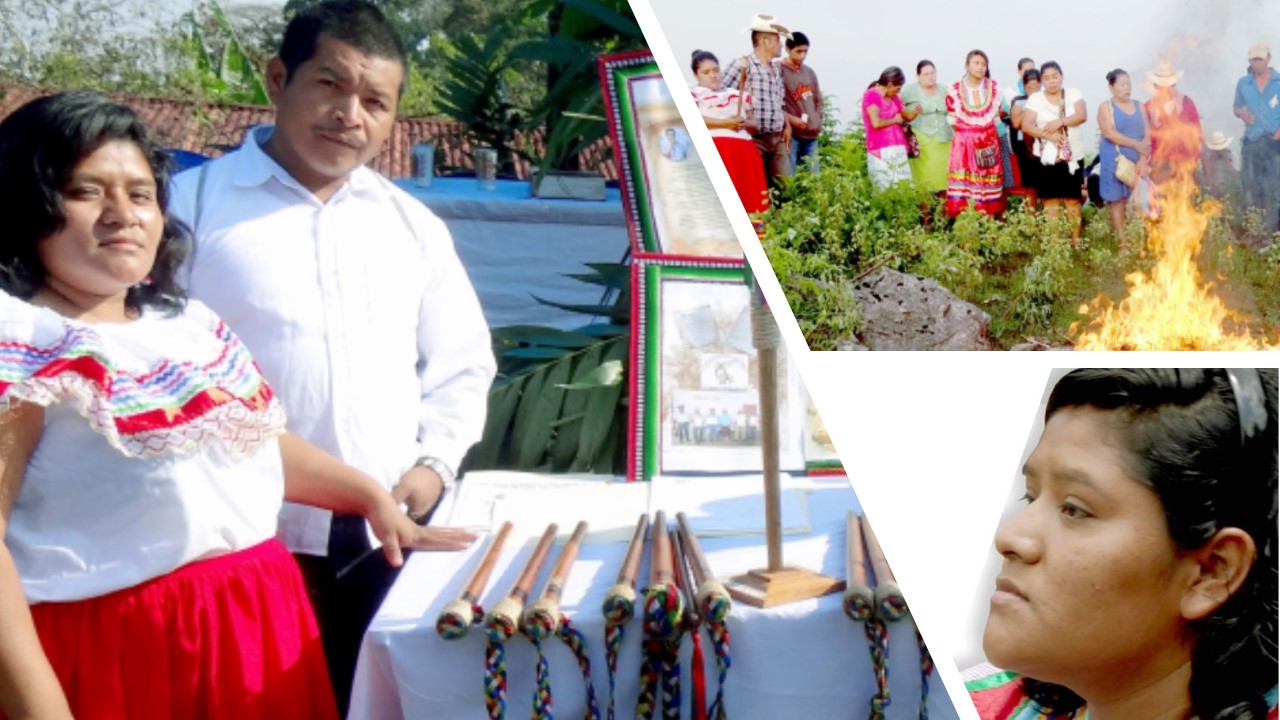 The story of Elodia Castillo Vasquez, 32 years old, is a testimony of this struggle. Elodia is an alcadesa (indigenous leader) of the Ch’orti community of Campanario Avanzada who started her fight for land, indigenous and women rights at the age of 16. As an indigenous woman, she was repressed, discriminated upon and marginalized by society. Her struggles for land rights also brought the loss of her younger sister who was mistakenly killed in an assassination attempt targetting Elodia. Together with other women, she formed a women’s committee within the ancestral structures to help empower women in fighting for their rights. SGP works with the women’s committee to address their priorities, and strengthen their organization and their capacities to defend their rights.
The ICCA-GSI project Implementation of innovative agroecological practices for climate change adaptation and strengthening of territorial governance in Ch'orti 'indigenous communities with equality and equity, is aimed at reducing the poverty and malnutrition levels in four Maya-Ch'orti’ communities located at the Eastern Dry Corridor of Guatemala. Iterative workshops are provided for (i) invigorating the leadership capacities of indigenous authorities and the active inclusion of indigenous women in territorial and environmental governance, and (ii) strengthening territorial governance related to productive development, food security and environmental conservation based on their ethnic identity. Other capacity-building activities cover (i) conservation, restoration, reforestation, agroforestry and soil management; (ii) diversification of high-nutritional crops; (iii) construction of water reservoirs to reduce vulnerability to water scarcity; (iv) collection of native seeds for forest nurseries; (v) protection of water recharge zones in indigenous communities using native plantation; and (vi) recovery of medicinal and healing practices.
For more information, please contact Ms. Caroll Dardon, National Coordinator for SGP Guatemala, at This email address is being protected from spambots. You need JavaScript enabled to view it..