








The UN Permanent Forum on Indigenous Issues (UNPFII) has been a valued partner since the UN-REDD Programme’s inception. In addition to the Chair of the UNPFII serving as a representative on the Programme’s governing bodies, the annual sessions of the UNPFII are an important forum for engaging and informing indigenous representatives. The 16th Session of the UNPFII, held in New York during 24 April – 5 May, provided an opportunity to exchange with indigenous representatives on the progress of the Community Based REDD+ (CBR+) initiative through a side event held jointly with the GEF Small Grants Programme (SGP). Running up to the UNPFII, the UN-REDD partner UN-Agency, FAO, held consultations with indigenous youth in advance of the formal session meetings (view video here).
The CBR+ initiative was developed specifically to enhance the engagement, capacities, innovations and perspectives of indigenous and forest communities on REDD+. The initiative was set up through a partnership between the UN-REDD Programme and the SGP to bring small grants of up to $50,000 to indigenous and forest-dependent communities on the ground in six pilot countries (Cambodia, the Democratic Republic of the Congo, Nigeria, Panama, Paraguay and Sri Lanka). Since its launch at the 13th Session of the UNPFII in 2014, the initiative has funded 95 projects in six countries with a total of $35 million grant funding disbursed.
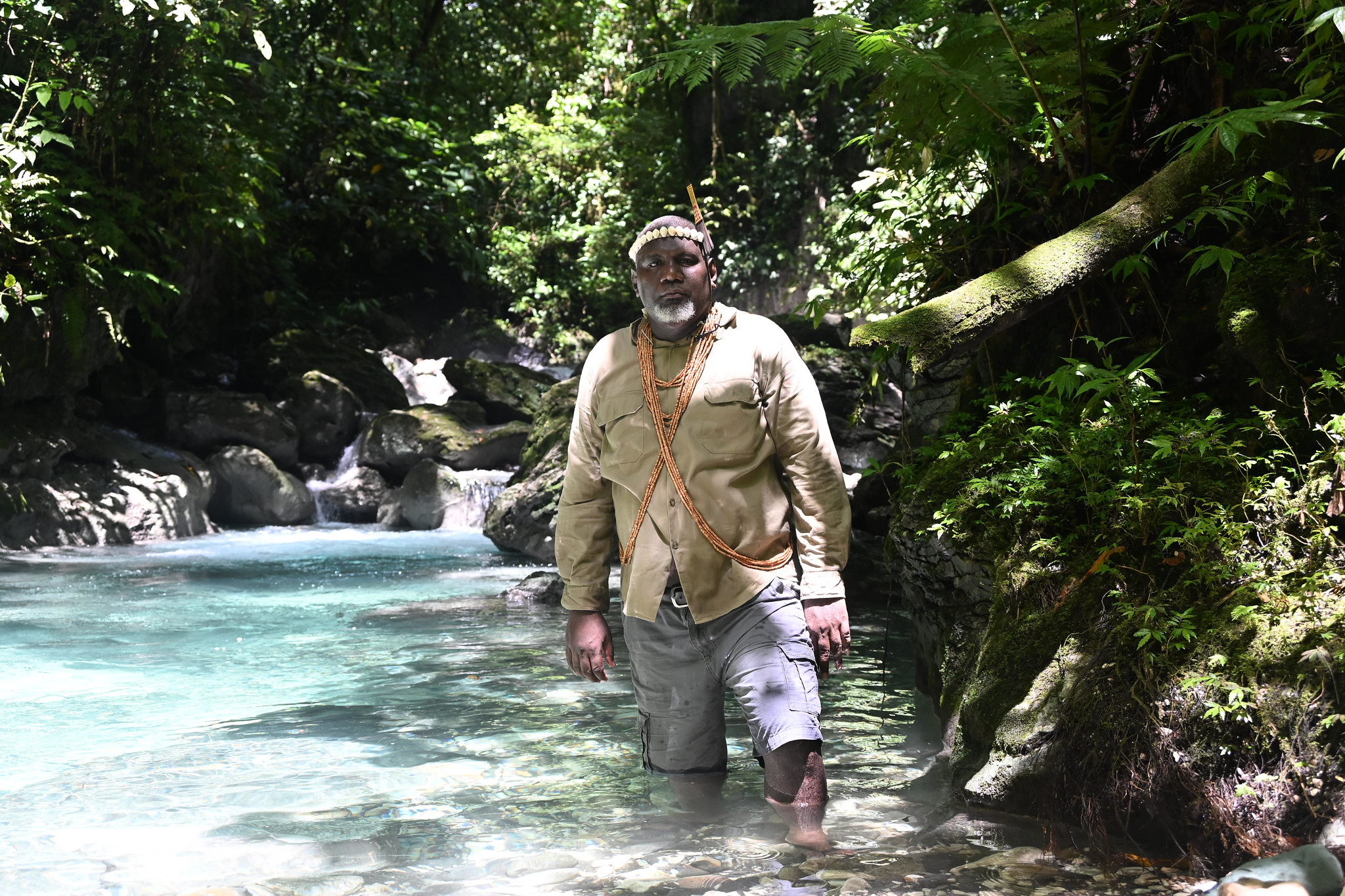
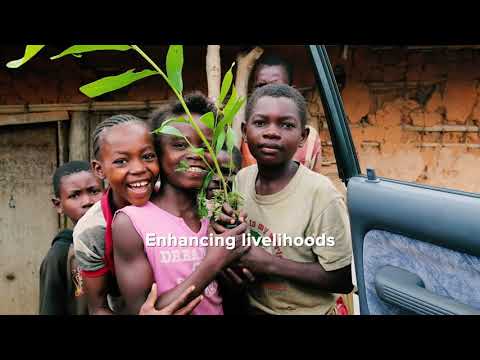
In the Democratic Republic of Congo, indigenous women are joining forces to regenerate the forest and protect their livelihoods with grant support from the CBR+ initiative. Photo credit: Marc Ngwanza
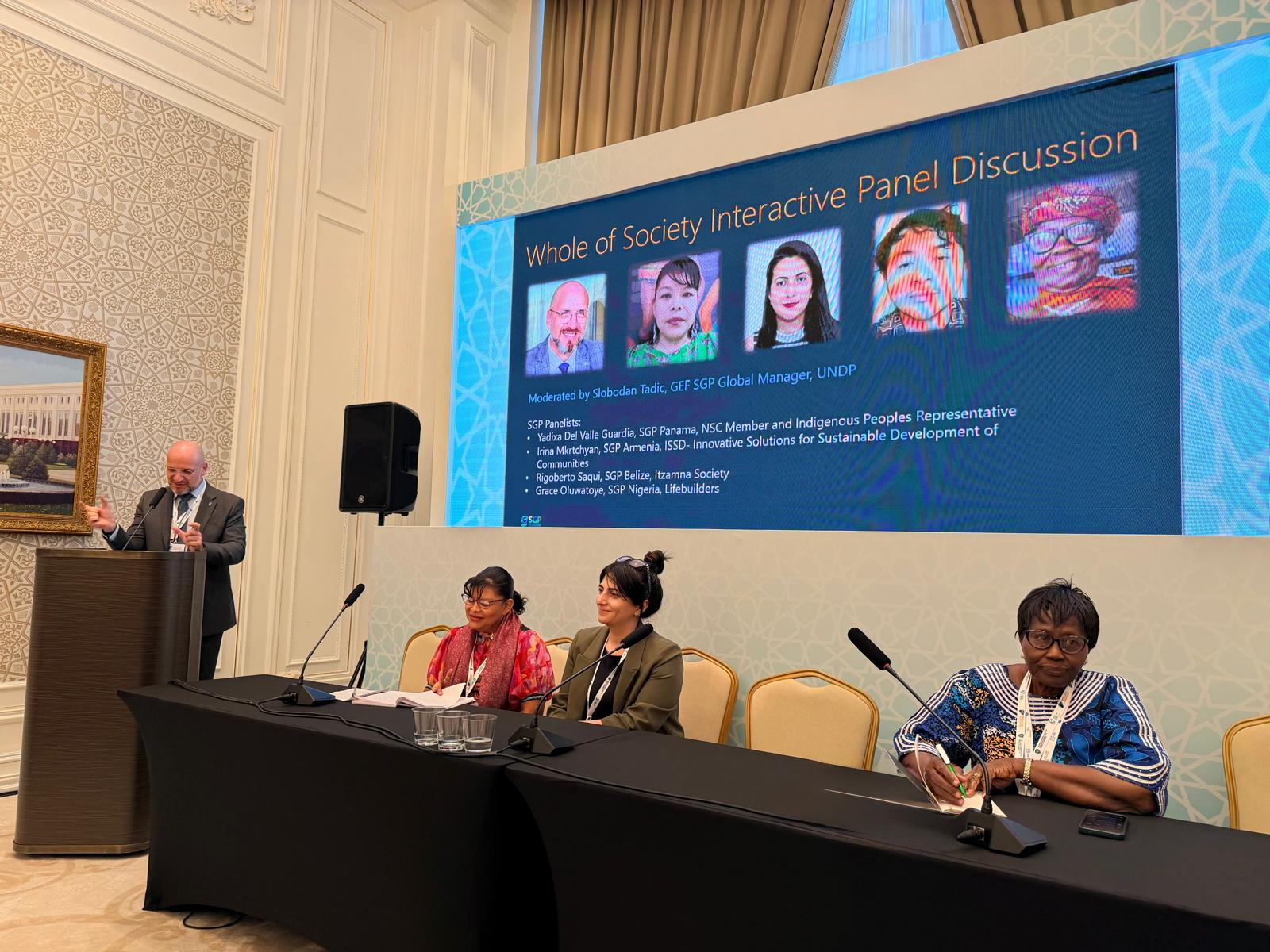
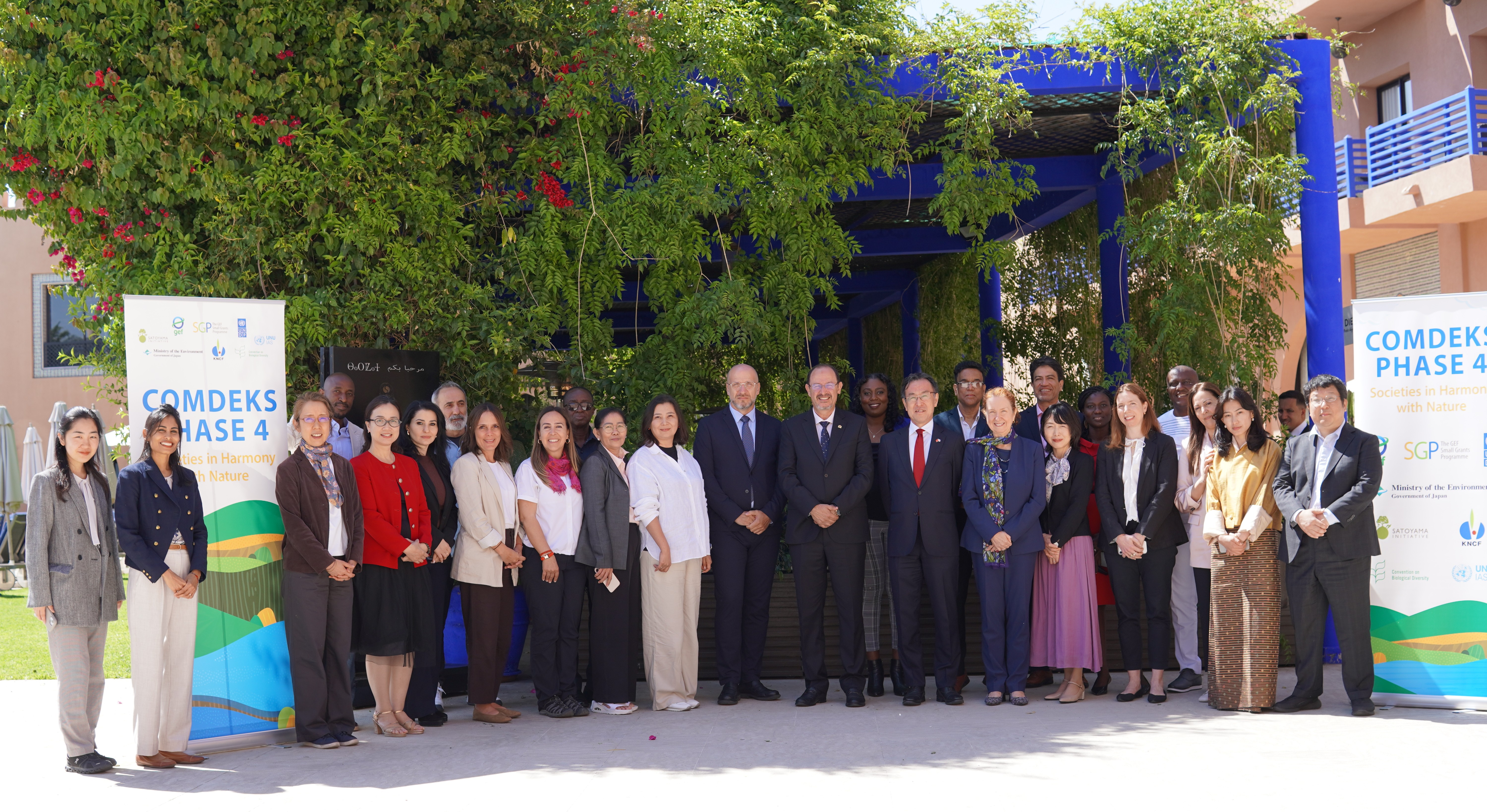
As CBR+ has progressed and yielded results and lessons, the UNPFII side event held on 2 May, entitled “Indigenous Peoples and new approaches for inclusion in forest policy: Lessons from the Community Based REDD+ Initiative”, served to share experiences from CBR+ on how to better connect national policy and indigenous action for the conservation and sustainable management of forests in countries.
Dr. Josep Gari, UNDP Senior Policy Advisor and focal point on Social Inclusion for the Programme, provided participants with an overview of how CBR+ was developed to link directly to national REDD+ processes and the mechanisms through which it is being implemented on the ground. Ms. Angelica Shamerina, Programme Advisor and Regional Focal Point for Latin America and Caribbean for SGP, gave more in depth examples of early results from CBR+ from Latin America including Panama, where CBR+ has contributed considerably to the momentum of REDD+ in the country, showing how activities from the grassroots can contribute significantly to REDD+ progress at the national and policy level. A brochure highlighting key CBR+ progress and achievements was also disseminated during this event.
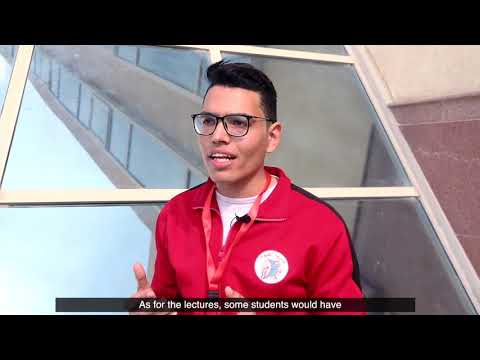
FAO hosted a meeting of the Global Indigenous Youth Caucus (GIYC) during 5-8 April, with fifteen participants from across seven world regions. This meeting recognized the vital inputs from indigenous peoples to achieving the Sustainable Development Goals and the role of collaboration with indigenous peoples. Indigenous youth representatives and FAO’s technical teams discussed threats and opportunities, and how best to promote the integration of indigenous peoples – in particular, indigenous youth. Additionally, GIYC members prepared recommendations to be considered formally by the 16th Session of the UNPFII (more information on this event can be found here).
Story by: Gaya Sriskanthan - Consultant on Stakeholder Engagement, UNDP, and Helena Eriksson - Forestry Officer, FAO
This article originally appeared in the UNREDD Workspace